




Lessons in Continuous Learning and People-Centered Leadership from the Japan Leadership Experience
Have you ever stepped outside your daily routine and suddenly seen your work—or yourself—with new clarity?
Often the most meaningful leadership breakthroughs don’t happen when we push harder…
They happen when we pause, step away, and enter a space that invites reflection, curiosity, and genuine human connection.
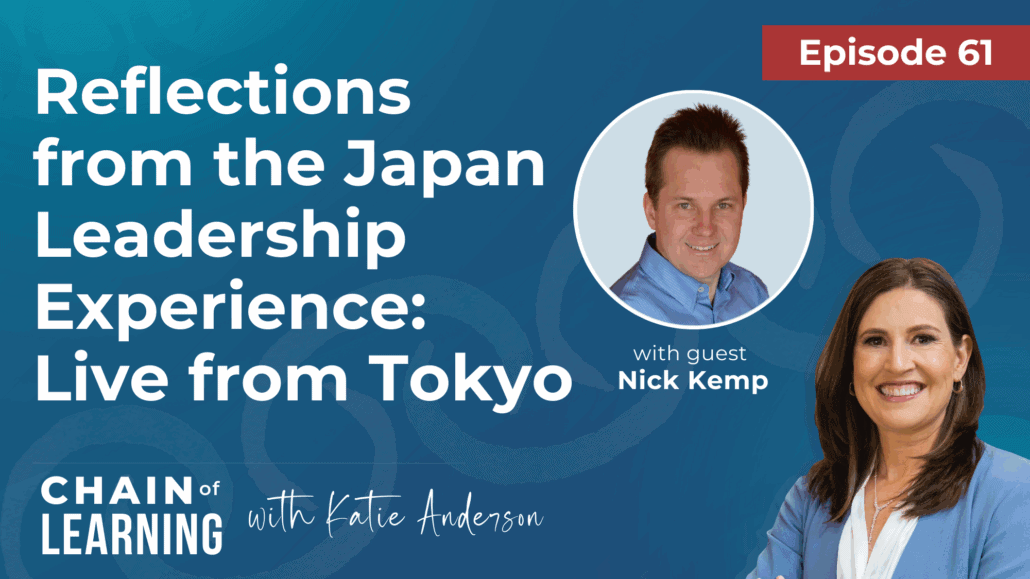
In this bonus episode—recorded live in Tokyo the morning after Cohort 8 of my Japan Leadership Experience wrapped up—I sit down with Ikigai expert and past Chain of Learning guest Nick Kemp.
Nick joined our November 2025 cohort as both a participant and a speaker, and after a full week of learning together, we captured our reflections while everything still felt fresh and alive.
Together, we revisit the moments that moved us, the leaders who inspired us, and the Japanese concepts that came to life throughout the week—ikigai, kaizen, ichigo ichie, omotenashi, sanpo yoshi, and more.
This informal conversation is a window into what the Japan Leadership Experience offers:
a week of intentional learning, deep community, and cultural immersion that helps executives, lean practitioners, and change leaders reconnect with purpose, strengthen their leadership, and “hold precious what it means to be human.”
In this episode, you’ll learn:
✅ Why creating an ibasho—a place where you truly feel you belong—is essential for leadership and learning and how the Japan Leadership Experience helps create that
✅ How Japanese organizations view revitalization through kaizen as both a business strategy and a people-centered philosophy
✅ What the “seven wastes vs. eight wastes” debate shows us about how we teach and understand continuous improvement
✅ How immersive learning expands perspective and helps leaders see challenges through a clearer, more intentional lens
✅ Why long-term relationships and trust are at the heart of sustainable learning cultures and operational excellence
Listen Now to Chain of Learning!
Tune in to discover how transformation can become possible when you step outside your routine and into intentional space for reflection, learning, and community.
Watch the Episode
Watch the full conversation between me and Nick Kemp on YouTube.

 About Nick Kemp

Nicholas Kemp, known as The Ikigai Coach, is a coach trainer, public speaker, consultant, and author of the books IKIGAI-KAN: Feel a Life Worth Living and Rolefulness.
He is the founder and head coach of Ikigai Tribe, a community of educators, psychologists, coaches, and trainers dedicated to serving their communities through the authentic practice of Ikigai.
With decades of experience living in Japan and training leaders worldwide, Nick is the trusted voice on how Ikigai can be embodied—not just studied.
You may know Nick from episode 53. Nick and I first connected when he invited me on his Ikigai Tribe Podcast in 2024, and then we met in person a few months later in Nagoya. He had just dropped up an Ikigai retreat and I was about to kick off a Japan leadership experience cohort.
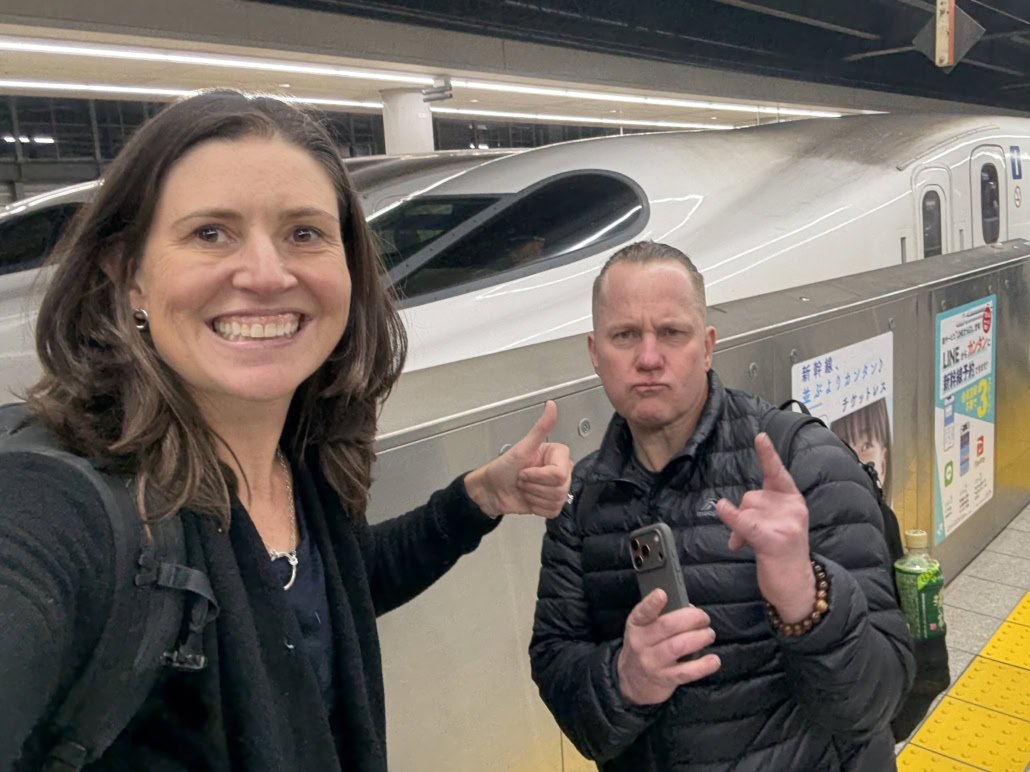
After his episode on Chain of Learning released earlier in 2025, I decided to invite Nick to the November 2025 Japan Leadership Experience as both a participant and a speaker.
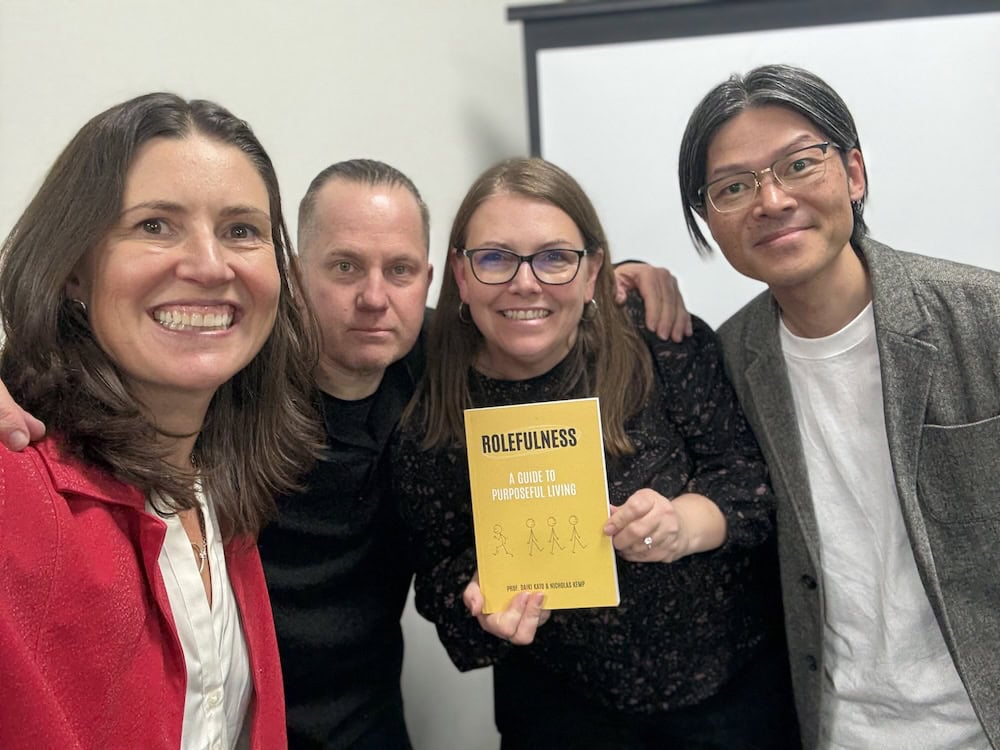
He and his co-author of Rolefulness Professor Daiki Kato added such meaningful depth to this cohort and it was fabulous to spend more time together.
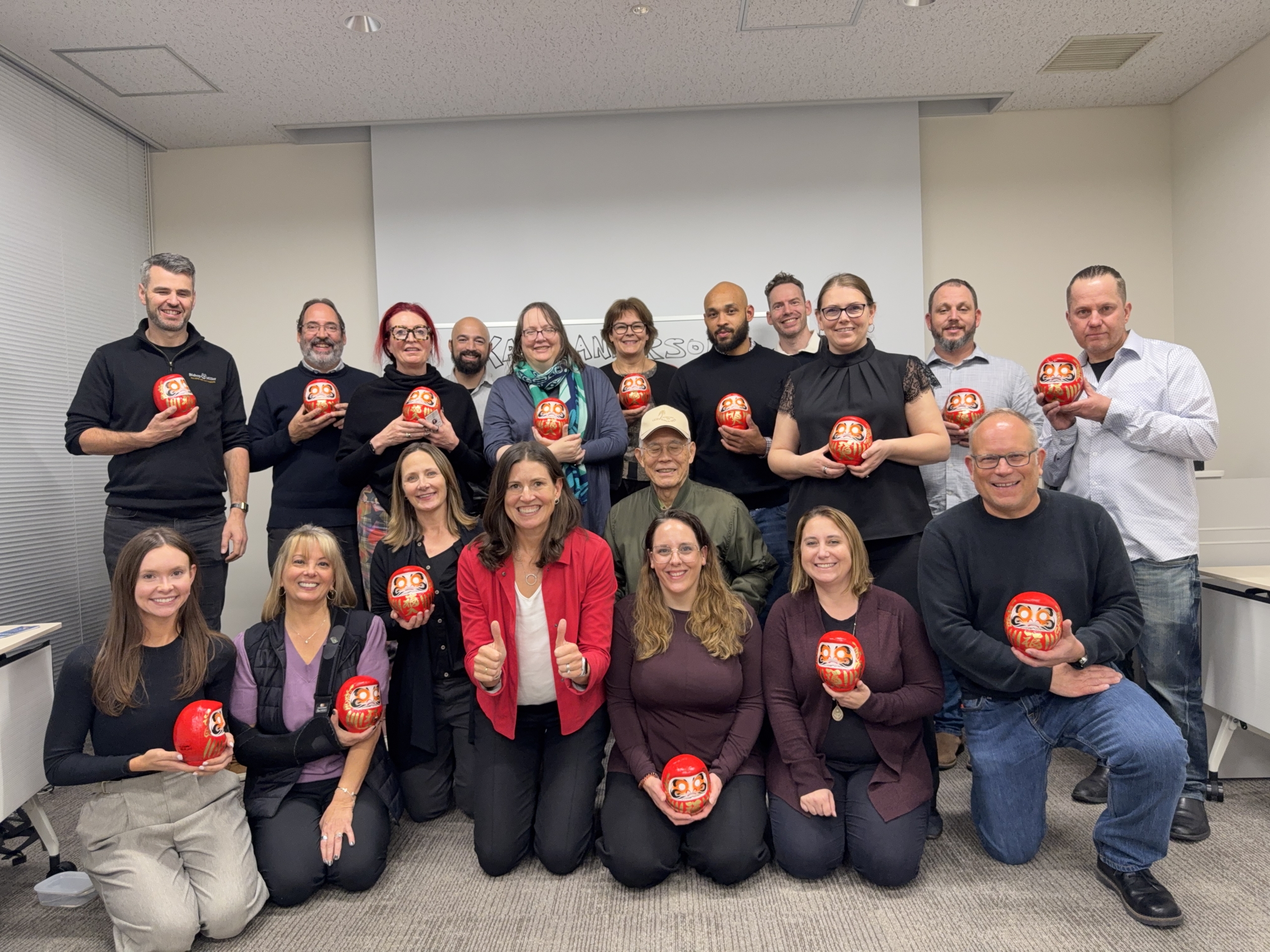
Join the Next Cohort of the Japan Leadership Experience
If you’re curious about investing in your own revitalization and leadership growth, I invite you to explore the next Japan Leadership Experience, either as an individual or as a team from your organization.
Each cohort brings together a diverse group of global leaders for a powerful, immersive week of learning and reflection, supported and facilitated by me before, during, and after the time together in Japan.
The return on your investment in yourself for your leadership and your organization is exponential.
Reflect and Take Action
Sometimes the clarity we’re searching for doesn’t come from pushing harder—it comes from stepping out of our routine long enough to truly see.
What Nick and I shared from our week in Japan wasn’t just a series of company visits or cultural experiences. It was the revitalizing power of being fully present, fully human, and fully engaged with a community of fellow learners. That’s the essence of the Japan Leadership Experience—and the intention I hold for every leader who joins me in this immersive, reflective space.
As you think about today’s conversation, I invite you to pause and reflect on three questions:
- Where do you need more space, intentionality, and revitalization in your leadership?
Notice the parts of your work—or life—where you’ve been running on autopilot or feeling stretched thin. - How can you step away from the noise and reconnect with clarity and purpose?
Consider what small (or bold) actions could help you create room to think, breathe, and refocus. - What might open up for you if you gave yourself the gift of immersive learning?
Imagine the possibilities that could emerge when you temporarily step outside your routine and into a space designed for reflection and growth.
These questions aren’t meant to be checked off—they’re an invitation to deepen your awareness, reconnect with what matters, and choose your next step with intention.
What might become possible for you—and for the people you lead—if you gave yourself the gift of immersive learning and intentional space to revitalize your leadership?
Important Links:
- Check out my website for resources and ways to work with me
- Connect with Nick Kemp
- Follow me on LinkedIn
- Check out Nick Kemp’’s website
- Listen to Nick’s Ikigai Tribe podcast
- Download my free KATALYST™ Change Leader Self-Assessment
- Learn more about my Japan Leadership Experience
- Episode 56 | Slow Down to Speed Up: The Power of the Pause to Accelerate Continuous Learning
- Episode 53 | Rediscover Ikigai: What it Really Means for Your Leadership and Your Life Purpose with Nicolas Kemp
- Ikigai Podcast: Learning Through Leadership with Katie Anderson on the Ikigai Podcast
- Listen to the transformational takeaways from participating in my Japan Leadership Experience from other podcast guests such as Brad Toussaint, Patrick Adams, Stephanie Bursek, Tim Wolput, Josef Procházka, Isaac Mitchel, Tracy O’Rourke & Elisabeth Swan, Kecia Kelly & Amy Chaumeton
Listen and Subscribe Now to Chain of Learning
Listen now on your favorite podcast players such as Apple Podcasts, Spotify, and Audible. You can also listen to the audio of this episode on YouTube.
Timestamps:
01:54 – The story behind how Nick and Katie first met
03:55 – Katie and Nick’s shared connection of living in Japan
04:45 – What Katie loves about her special relationships with Japanese business leaders
06:23 – What lead Katie to start the Japan Leadership Experience
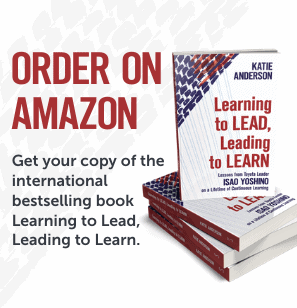
09:47 – How living in Japan and developing relationships with Japanese businesses and Toyota leaders led to Katie to write the book “Learning to Lead, Leading to Learn” and start the Japan Leadership Experience programs Japan Leadership Experience
11:33 – The parallel process with writing the book and leading the first program
12:34 – The definition of “ibasho” and how the Japan Leadership Experience is about being in a place where you can feel like yourself
15:03 – How the word “revitalize” is used in Japan by leaders as the reason for kaizen
15:41 – Katie’s favorite parts of leading her Japan Leadership Experience cohorts
17:41 – The planning behind the scenes to make the experience a success
18:55 – Katie’s connection to her role in bringing people together for learning and connection
21:08 – Nick’s biggest takeaway during the week in Japan on the Japan Leadership Experience
23:56 – How different cultures have a different sense of urgency and the difference between Japanese culture and Western culture in relationship to kaizen activities
25:25 – Starting the day with a morning meeting, “chorei” connected to greater purpose and feeling inspired to do more
26:37 – The key to being more roleful and the book “Rolefulness”
28:47 – What “sanpo-yoshi” means – goodness in three ways – operating in three- way goodness for customer, company, and community
31:27 – The importance of sustainability in Japanese culture
32:31 – Clarity on the debate of seven waste or eight waste in lean from a Toyota leader
34:44 – The essence of being over doing
36:01 – An example of omotenashi in Japanese culture
37:43 – Nick’s experience in taking time away to be go to Japan
39:42 – The importance of putting aside your everyday role and experience a different way of leading
44:09 – The transformation when you step outside routines and into intentional space for reflection and connection
44:53 – Questions to reflect on as you listen to this episode
Full Episode Transcript
Katie: [00:00:00] Have you ever had an experience that shifted how you see your work, your purpose, or even yourself, or found that stepping outside your daily routine gave you the clarity that you didn’t know you were missing? And this bonus episode recorded live in Tokyo. Nick Kemp and I reflect on the week we just spent together in November on my most recent Japan leadership experience, sitting side by side in an apartment in Japan, buzzing from the energy learning.
Fun moments of the week. Welcome to this bonus episode of Chain of Learning, where the links of Leadership and Learning Unite. I’m your host and fellow learning enthusiast, Katie Anderson. Nick Kemp and I have gotten to know each other over the last 18 months through our shared love of learning community and Japan, and concepts like Ikigai, Kaizen, and Purpose-Driven Leadership.
You may remember him from episode 56 of this podcast. Nick and I first connected when he invited me on his Ikigai Tribe Podcast in [00:01:00] 2024, and then we met in person a few months later in Nagoya. He had just dropped up an Ikigai retreat and I was about to kick off a Japan leadership experience cohort.
After his episode on Chain of Learning released this fall, I decided to invite Nick to the November, 2025 Japan leadership experience As both a participant and a speaker, he and his co-author of Rolefulness Professor Daiki Kato added such meaningful depth to this cohort and it was fabulous to spend more time together.
There is nothing like an immersive week of learning, deep conversation, amazing food, Zen meditation and karaoke to build bonds that last a lifetime. In this unscripted conversation recorded the morning after the final day of the program, you’ll hear us reflect on the moments that stood out, the leaders that inspired us, and the Japanese concepts that came alive through this experience together.
Let’s dive in.
Nick: Let’s begin where we began. So that was in June of 2024. I [00:02:00] had you on my podcast, episode 87.
Katie: Then we met in Nagoya in November of 2024 when you were just finishing your first Ikigai Tribe retreat, and I was leading the sixth of my Japan leadership experiences and had you on my podcast recently, I believe episode 53 of Chain of Learning.
And then. We manifested a week together in Japan. Nick just joined me on the eighth cohort of my Japan leadership experience and was thrilled to have him and his co-author, Daiki Kato, um, come speak about role full and just be part of the whole experience. And, uh, it was really fantastic to spend the week together.
Nick was, we decided we would have a live in Tokyo, or at least recorded live in Tokyo. Conversation to reflect on the week and also some of our key learnings and reflections about our times living and working in Japan and the experiences that have really just been integrated [00:03:00] into our, our personal philosophy of life and leadership.
Nick: And I, I think we agreed that we would frame this. This work is our Iki guy bringing people together. I actually was inspired by you, you, you sort of gave me the final push to take the risk and do my first retreat last year. So thank you. So you’re my inspiration and yeah, I’ve had this amazing journey, uh, the last week, learning how you do things.
You, you have a larger group, um, you have more logistics. So it’s amazing. I, I think the thing that stands out for me is. How you’ve got all this support from all these Japanese people, uh, through referral, through recommendations, through long-term relationships. So I think that’s a, a theme we both have.
We’ve managed to have these people join us on our journey and support us. So do you wanna talk about that?
Katie: Absolutely. And, uh, for some context for people who don’t [00:04:00] know about Nick or me, I mean, Nick, you lived in Japan for many, many years and speak Japanese pretty well. I’d say I was very impressed this week and currently lives in Australia.
Yeah. Um, I am, I lived in Tokyo for almost two years in 2015 and 16 and have continued to come back. Um, I’m based in California, although I lived in Australia for four years, so we have another shared connection there. Uh, but something we both. Realize and deeply know through our experience here, and I think through life, is that relationships are at the more of it and connection.
And especially here in Japan, uh, most things happen through deep personal connections and then making those connections and people then connecting you to others as well. And so one of the real. One of the things that makes me so happy about being able to offer these Japan leadership experiences is to share the really special relationships that I’ve nurtured and cultivated over years and how those relationships have actually opened doors to so many more things like, [00:05:00] and like the special experience at en enough foods.
I’m the only foreign, uh, you know, person they welcome for tours and it’s just incredible. And that’s because of the relationships I have with other Japanese business leaders who also were part of the grip. Group, and I think you’ve had the same thing as well, and it’s, it’s not like you would just show up in Japan and like, go do something.
I mean, there are some like, you know, pub plug and play things, but we’ve, it’s really about deep cultivated relationships.
Nick: Yeah. I think there’s also, there’s obviously trust. There is this subtlety to the relationship. You have to understand what, how far you can go and what, what to ask for. And it’s complex.
But once you’re, you’re on board. They’ll do anything for you. Hmm. So that’s, that’s what surprised me is like, wow, you have so many supporters here. And it really made the trip very unique, very special, special access to these factories, uh, inner foods, which was amazing. So it really begins, uh, with [00:06:00] relationship.
Hmm. And it, it seems to also evolve into a type of, uh, in some cases, friendship. Um. So I guess for you, we should, we should touch on it. It really started with your, your desire to get to know, um, Mr. Y and his work at Toyota, and then obviously led to your book. So was that the beginning? Like, and you obviously you had no idea it would pan out to you doing, uh, these study trips?
Katie: No. So I had, when my family moved to Japan in 2015, I knew that I wanted to learn as much as I could about Japanese culture, about business. I come from the world of applying and practicing kaizen and continuous improvement in organizations of the birthplace of the Toyota production system. I wanted to learn as much as I could for myself and also share that, uh, with others.
And so I started writing a blog as we did. We didn’t do video 10 years ago. So things have evolved and, uh, and share [00:07:00] with others, and that then grew. I also, I’m a connector and I mean, I think this is why you and I immediately, um, connected with each other that are, are real. Our Ikigai is connecting with people and having experiences and, and learning and sharing.
It really is what lights us up, both of us up, and we can talk more about that concept of Ikigai and how that plays out in our work as well. But I didn’t know that what it would lead to, but I knew that. I wanted to take advantage of the, of the opportunity from a deep learn, a place of learning. And so I had met Mr.
Yoshino. He’d offered, uh, me the opportunity to go visit him in Nagoya, which I did. I also was meeting people in Tokyo, which is how I met Toshiko. Kawan, who ended up being an incredibly important. Connection for me. I led my very first one day tour while I was living in Japan still. And throughout that relationship I met many, many people, uh, and has really built my Chain of Learning.
And then through Mr. Yoshino as well, of course, the [00:08:00] time spent there writing my blog became the, the basis and the genesis of our book. Um, “Learning to Lead, Leading to Learn”. Um, and so I had an inkling of a possibility, but that wasn’t the goal. It was to take advantage of this deep, immersive learning experience.
And now I have that opportunity to share that with others, and that really just gives me so much joy. So we’re all both a little tired after a week, so, so our reflections may be, um, a little all over the place, but, but I think that when you, when you. Living something that really gives you energy and purpose that it almost doesn’t matter.
Yeah. The, the tiredness, like, you get so much joy and energy and I even feel right now I’m getting re-energized, revitalized. So I might say through our, uh, through just Taki right now, I feel my energy picking up. And, and so that maybe that is really what the sense of Iki guy is about. It’s what gives you energy and that sense of purpose and joy in meeting in life.
Nick: Well, that’s what attracted me to you when I, I saw your videos on. I think you were, you were talking about the that bar of us. [00:09:00] Yeah. Yeah. For Wow. Who is this woman with so much energy and, and love for Japan. And it is a, a love for Japan, isn’t it? Well, you love to learn, uh, love to uncover the culture, but it Yeah, I think you’re right.
It’s the relationships, it’s building these relationships and I, I feel so like privileged and then yeah, we’re now connected and we’re probably gonna open doors for each other. Absolutely. All that sort of thing. One thing I do want to touch on, I think you celebrated recently a few months ago, wasn’t it?
10,000 copies sold of your book? A little bit, yeah. A little bit while ago, yes. Yeah. Yeah. And so that was, I guess, the second step to your, you know, journey you connected with, um, yo know, and then you, you interviewed him and so you wrote this book. So what was, yeah, what was that like? And I guess keeping it in this context of doing those study trips.
Katie: Oh, so that’s, I, I feel like they’re related, but, but separate the, the conversations [00:10:00] with Mr. Yoshino actually kind of paralleled. I think the start the pro, if I go back in time, my process of starting to, um, offer the Japan leadership experience, which I was calling the Japan study trip, but it really kind of reframed because it is an, it’s an experience.
It’s not just a trip and it’s not just the week in Japan. Mm-hmm. I mean, it’s, it’s happened all the pre-trip learning that happens in the post, you know, the, the things that follow up. It’s a, it’s a broader experience. So I think a trip was sort of a misnomer and. It’s not just studying, it’s really leadership and so much more actually.
And now even framing it, it’s like going on, you know, a journey to discover the essence of what it means to hold precious. What it is to be human. I mean, that’s really underlying, so it’s so much more than lean and continuous improvement. But anyway, I digress. Uh, when I returned to the United States, uh, at, at the end of 2016, Mr.
Yoshino and I kept, continued our conversations and I, I had this deep love for Japan and I wasn’t ready for that experience to end. So I continued to come back and [00:11:00] forth and he and I were partnering, um, all over the globe. We were going to the Netherlands a lot actually, and the US and, and giving lectures and workshops and.
It was then where we thought, well, maybe we should. Codify some of this more, you know, can concretely like his, his lessons from 40 years of Toyota and my experience and, and sort of being able to reframe and, and, and kind of synthesize those experiences and, and contextualize them for people happened concurrently with the opportunity to start pulling together and creating my Japan leadership experience.
So I both led my first. Program in 2018 and started purposeful interviews with the intention of writing a book Okay. In 2018. So they, they sort of parallel process there. And then, uh, I read Atlanta led another trip in 2019 and had two plan for 2020, which is the same year that I published the book. We all know what happened in 2020, so that really threw a spanner in the works on, on so many things.
Uh, you know, but, you know, let’s, [00:12:00] we have to. Respond to what, how life happens. So I’m really happy, like I’ve been leading these programs every six months since Japan opened up again and hope to continue for, um, for a while. It gives me so much joy. And I think the greatest value for me, in addition to like the enriched learning in Japan is the community that’s built.
Yeah. Um, and, and you experienced that this week too. Just the, uh, the purposeful coming together as a community and that lasts for so much longer of the cohort, of the international group that comes together.
Nick: It felt like a, I guess a, a roaming ibasho, you know, love this word.
Katie: Yeah. What does ibasho mean for those people who haven’t been listening to Nick for a while as several meanings?
Nick: It’s basically, it means it’s a place where you can be yourself, can be a physical, uh, a place where it can be a social niche, a context. And so I think, um, in your case in in the past week, it has been this, this group of people who. Didn’t really know each other. Only only through the pre ship. [00:13:00] Uh, pre-trip or not pre, yeah.
Yeah.
Katie: Got,
Nick: and some from the same company. But yeah, we, we come together and we’re sharing this journey of learning, getting to know each other, sharing meals together. But I think you feel trust and community really quickly, like on the first day and yeah, it’s the inhuman experience that makes meaningful.
So opportunity to, to be yourself, to connect with others and also have this perspective of the, the future’s looking bright, which I think all of your participants now have, they have, um, work to do, takeaways to put into action learning. They’ll apply and it’s not just, I think it’s not just about the work stuff.
It is also some personal development. And they also discover Japan. Yeah. So it’s, it’s a great to experience in Japan and I was really grateful I could contribute and bring dike along. [00:14:00] And I guess that’s part of the, I experience what you learn. People got to know him. We all went to dinner, he had a good time.
So I think we’re also, we had this role that it’s, it’s not just, um, these Japanese people are benefiting us. We’re benefiting them. We’re giving them opportunity to meet. Maybe foreigners. I, I don’t think Dike had. Um, so Di Dike Kato, the co-author of Mobile Role Fullness, a good friend and I don’t think he had ever experienced something like that before.
So he was really happy. So thank you for having me dike. Um, talk on rolefullness, but you had many, um, subjects, so what was the one thing you really enjoyed? Uh, facilitating or teaching or doing?
Katie: That’s a hard question to answer because it’s a whole experience, but I wanted to act like build on what you were just saying before, Nick, and, and the word revitalize.
And that’s something I talk about, um, in the beginning about how this word [00:15:00] revitalize is used often in Japan, and I’ve never heard it elsewhere in terms of why companies focus on kaizen and continuous improvement and engaging. It people in empowered problem solving at all levels and to, to really make the work better.
And it’s about revitalizing industry. It’s about revitalizing the company and it’s about a revitalizing human spirit. And so I really feel like there’s a sense of energetic ness that comes from on this experience, or people feel revitalized from a, from a deeply personal place and then revitalized from their leadership and, and work perspective as well.
So, um, so that, that I love that we would revitalize and, and. Yeah. So what is, what is my favorite, my favorite part? I, that’s a really, that’s a really hard thing ’cause there’s so many, there’s so many elements. Of course, it’s about having, uh, at the very base level and having an incredible experience. Um, which hands down it is an, like, everyone always says it’s an incredible experience, but, but really the transformation that [00:16:00] happens in guiding people through an intentional, structured journey where.
You think you’re coming for a certain reason, which is to learn about maybe business and how to create a culture of operational excellence and improvement, which you absolutely do, but it’s the deeper uncovering, truly of holding precious what it means to be human and what that means for yourself. Um, and that, and really connecting.
With purpose and meaning and meaningfulness. And then how do you translate that in your various roles? And like we talked about, like role full and, and whether or not it’s your personal roles in life, your professional roles, um, and so much more. And so to really. I think there’s so much happens behind the scenes about how do you structure and experience, um, with intentions so that people go on a journey and build upon it step by step.
And so I, that sort of secret sauce or the behind the scenes is actually something that I really enjoy because it’s, it’s the putting together of the experience, uh, and then letting it [00:17:00] unfold and facilitating that, and of course having a great time at the same time too, because what people feel they can be themselves when they.
I feel community and they, they have a space, a space that’s being held for them.
Yeah.
Nick: Yeah. It is hard to label one thing as the best experience, but I, I was pretty amazed at how well run it was. And a lot of logistics, you know, you, I mean, you spend a lot of money on, um, you know, bus drivers, uh, commercial bus and good hotels sit still food.
Um, obviously there would be. Speaker fees. So you put a lot of, um, love, um, thought, and it takes a lot of work. And I, I think, um, you’re right behind the scenes. I think the planning and the visualization and the kind of hope you have for what will unfold is quite exciting. So that’s what I experienced with my first retreat, like planning [00:18:00] it.
And we’ll do this and do that, and we’ll have this speaker. Uh, so yeah, it’s, it’s kind of amazing how you can create this. And I mean, on my presentation on role Full, I talked about you as, oh, you’ve created this unique role. So we, we have like this general role, full specific role full where you take a common role, but you, you match it to your values and behaviors.
But we also have this idea of unique role. Which you’ve created. And yeah, it sort of occurred to me, wow, you’ve had so much impact. You’ve done this eight times, you’ve connected with so many Japanese, you’ve, you know, changed lives. You’ve inspired people, but it, it seems so natural to you that you shouldn’t do this.
So I really think you’ve found a role or your role. So does it feel like that to you?
Katie: Uh, absolutely. I, I, I, I consider my purpose, and this is, you know, both personally and professionally to connect the [00:19:00] hearts and minds of people around the world so that together we can make it a better place. And I, I feel like my, this role, like I feel like.
Being able to bring people together for learning, immersion, connection, um, and transformation. And I un travel ’cause I’m, I’m in a very international person. I live in Japan, Australia, around the globe, other places. Uh, it really is, it’s my, it is, it is a role that I is deeply fulfilling and meaningful and that I get joy from.
So maybe it is the role that is the essence of my icky guy or the manifestation of my icky guy, uh, as well. Like that, that. Thing that gets me up in the morning and that it’s, I really, it gives me so much, so much joy in meaning. And now I have had over 140 wow global leaders from I don’t know how many countries, at least 20 countries, so many different, uh, languages coming together in community for learning with me on this journey.
I have more next year in 2026 [00:20:00] coming and, um. The relationships I’ve built. And, uh, so like, um, in December of 2025, I’m going to the UK for a personal trip, but also bringing together different people from different, several different cohorts and they’re gonna connect. It really is this global Chain of Learning.
And that’s, um, I, yeah, it’s, it’s not just like a phrase. It’s like deeply meaningful. Um, and I think that. It’s authentic, right? And so it is that joy and, and the same with you. And I felt this connection when we first met, and that’s why I was like, let’s, with, let’s make this happen manifested. And that’s, I mean, that’s how, how the world happens.
So let’s dive into some of the like concepts too, that sort of, that. You, maybe you had some new learnings on this experience because you haven’t had as much exposure to sort of the Japanese business side from a kaizen, um, operations ex perspective, but also we have some shared e essence of learnings.
Yeah, we, we both wanna bring to people ’cause it’s like deeply the [00:21:00] styles between Jap, Japan, Japanese approach and, um, and the west and sort of the, sort of the melding of the best of both.
Nick: I think I had, my biggest learning was when we went to one of the factories and they were talking about the number of kaizen they’d done for the year to date, and it was like 400, over 400.
It’s like 14 per person or something. Yeah. And I was shocked. I thought, okay, this, this is Kaizen, and they might do it for the smallest thing. And then systems, there’s so many systems, people know what to do. It’s very clear. I also got that distinction. There’s a clear, the clearness on their role. Yes.
There’s no half-assed attitude. Japanese come to work, but I mean, I really love that idea that our Kaizen’s not made by management or the board or whatever. It’s the people at the Gemba. We, we heard this expression go [00:22:00] to the Gemba all the time. Yeah. So that, that too, I, I knew that expression and that term and that practice, but to see it.
So we, we sort un unfold several times with different, um, factory, uh, leaders.
Katie: Yeah. The senior leaders there. And it was clear they weren’t just like coming down on the tour, right? Like the people knew them, right? Yeah, yeah,
Nick: yeah. And they’re wearing, you know, they’re not wearing a suit, they’re wearing the company uniform.
You could just mistake them for a regular worker. So that really gave me a perspective like, oh wow, they do kaizen all the time and it never ends. And it comes from kind of like the creativity of each, uh, employee. They see a problem, this can be fixed. Um, you know, they, they write the appropriate form.
They, they come up with their own solution. They test it and see if it works. So that was, yeah, that was really amazing to think. Wow. Uh, I’ve, I’ve finally seen what it’s, how it’s occurs. And I think I shared that word, this idea of Chantal, like do [00:23:00] doing things properly. It’s not perfection, it’s just do things properly all the time.
And that really stood out too. So one thing that I found kind of amusing was the number of. Kaizen compared to the States. Oh, yeah. So do you wanna touch on that?
Katie: Well, well, I had a professor talk about, uh, it gave some some historical context and yeah, I mean, we, those of you in the states would know this inherently that the number of, there was research studies from, but many, many years ago.
But I, I imagine it’s fairly the same. And it’s just talked about how, uh, the Japanese have a greater focus on, on kaizen and continuous improvement. And the, I think the number was like. You know, one per person or in organizations where they were doing this. So, but we, we were talking about different motivations and how, uh, levels of anxiety and complacency.
So I’m definitely gonna be writing, uh, sharing more about some of this research that we sh, that we learned. And so I thought that was really fascinating in terms of d how [00:24:00] different cultures have different. You know, you want a sense of urgency and if you there, the, the urgency is sort of that sweet spot, right?
Mm-hmm. And some cultures tend to have more of a sense of anxiety, which is maybe an more negative man like expression Yeah. Of, of urgency where there’s like fear and like sort of you, you’re paralyzed. And then there’s complacency on the other hand, which is where you’re just sort of. Everything’s fine. I don’t really need to contribute.
And so Western cultures in us tend to have more of a sense of complacency, which might be, explains why there are fewer Kaizen and Japanese cultures tend to, and some of the Eastern cultures tend to have a little bit more of a sense of anxiety. But the sweet spot is when management in leadership is able to bring both of those sides together to create a sense of urgency and contribution.
And so I, I really wanna emphasize it’s not just. Yes, there are more kaizen that happens, but it’s not across all companies. There’s, you know, we saw some [00:25:00] companies that are just getting started. It still requires intentional leadership in creating the systems and structures that encourage and enable people to contribute.
Uh, but, but really that, that desire to contribute. Is is really strong. And, and that desire to do do things properly and, and really apply yourself is, is a trait that I do admire. Um, in the Japanese culture.
Nick: Another key learning or observation was at some workplaces, a lot of their work was fun, although they had practice practices for fun, like the chorei.
Yeah. And that was at, um, Toko folks.
Katie: Yeah. The, an inspirational morning or startup meeting that’s not just about like reporting out on what needs to happen today, but like high energy and getting people inspired and ready to be. Uh, working with energy and connected to purpose too. Like people have to say the thing that they, they wanna be number one at their dreams and [00:26:00] like, and it’s like inspirational, but we, you all leave feeling like, wow, I’m ready to, to, to do something more.
And so, yeah. How do we, how do we connect with that heart and that Revit, that’s like a way of revitalizing the spirit for the day every day. Yeah. Yeah, yeah. So how do we bring more energy into what we do?
Nick: Hmm. Because even if you went into that try experience thinking, oh, I don’t wanna do this. No, you can’t.
You have to, and then you do get that energy. So it had a, yeah, really positive impact and like. Made it exciting. Yeah.
Katie: I wanna connect that too to one of the concepts that you and Dike talked about in terms of role full and that one of the key things of being more role full. So it’s about being, actually about being more connected to how, how are we actually realizing and having a good impact in each of the roles we play is about greetings and how, how important a greeting is.
Yeah. And, and connecting with people and acknowledging them. And to do that with positive energy actually then. You’re giving [00:27:00] positive energy, but it then creates positive energy for someone else. And so how do we have more greetings? And that was actually one of the key takeaways for one of the leaders on my program, because our team works remotely.
And she’s like, wow, we don’t have time for greetings. We just kind of get into the work. We’re on these zooms, and so she’s like, I’m gonna have, I’m gonna have a, like a startup meeting that’s really short, but I’m going to like, and I’m gonna do something with energy. And she’s like, I’m also going to send a greeting out to my team every day, even if it’s in like a teams or a Slack channel, send something, acknowledging their work and like somehow making a human connection before just getting there.
So I really, that really has gotten me thinking about that. The ways that we connect as human beings is so important. Um, the other thing I I wanted to talk about too, Nick, is, is, you know, how, how serious and committed. Leaders are here about creating the, their cultures. And we, we heard from several different Japanese leaders too, about like, [00:28:00] wow, think cultures weren’t so great.
So I wa like, it’s not like all of Japan is like Toyota and Nice, some of them are getting started. We, so some are maybe doing this for 20 years, some for just a handful of years. Um, some for decades. All came from intentionality from the leaders and their commitment to really connecting with the heart and having a long-term view and putting people before profit.
And we, uh, there’s a concept, Sam Po Yoshi. Oh yeah. Maybe you can explain that. It’s, it’s, it’s the essence I think that really makes a lot of, uh, Japanese companies different. I feel like we’ve lost some of this in many of our Western companies now. It doesn’t. There are a lot of great western companies with fabulous leaders, but let’s talk about what se Po Yoshi
Nick: is.
Yeah, I’ve actually done a podcast on this, so what’s familiar to me? So sun meaning three, uh, Paul, meaning, uh, direction and Yoshi basically meaning good. And so it’s this idea of it’s merchants. Um, I can’t remember which area, [00:29:00] but you know, going back several hundred years, they had this belief that we should operate in a way that’s obviously good for the customer, good for our business, and then good for the community.
And that’s how far the way Japanese think goes back. It’s like we’re not just doing it for profit for us to succeed. So Jap, I mean, I guess that also ties into this collective mindset of Japan. There’s all these ideas of, you know, don’t cause trouble for other people. Be sensitive, be aware, but you know, Japanese would rather succeed together and make sure everyone’s looked after.
I guess rather than someone wanting to make lots of money, exit a company and, and really have no concern for their staff or their community. So there is this sort of communal awareness or awareness of social obligation that’s, I think, ingrained into Japanese [00:30:00] culture. And then you have these terms like that.
Um, I guess, yes. Become words because it’s a common practice. And that, that’s why Japan has these unique words like Ikigai or Kaizen or iol because they have these concepts that we can understand, but they haven’t crystallized it to a word because they don’t, you know, ’cause they do practice it, whereas we probably don’t.
Uh, so yeah, some Poly was great to learn. Um, there was, there was so much learning. And,
Katie: and even at ENA Foods, and it’s like that YPO Yoshi is like, they’ve added one more direction, which they stayed for the future. So have that long-term tree ring management view, really looking at the en, the envi, not just the community, but the world, like good for the environment.
And I, I think one of the, we had. Sustainability expert on our, our trip this, this time too. And a lot of interest in, in how Japanese companies are looking at sustainability. And it’s sort of inherent. It’s [00:31:00] like they don’t need, like, they’re already doing things for the sustainable future because that’s just part of what you do for being good for the, the, you know, the, the goodness in three ways.
And so, uh, yeah, I thought that it was interesting as well.
Nick: And it was also one of your participants said. I’ve come to Japan and I’ve seen the SDG logo everywhere, you know, sustainable development goals and I shit idea was a common and something GE Japanese companies care about. Yeah. During this timing, it sounds like in both Australia and the States, it’s not a big thing.
Katie: Oh yeah, I had, I mean, I, I only know about the SDGs because of going to places like Europe and um, in Canada actually, they had those out so. It was very, very interesting, um, to me and, and Ian, how, you know, Ja Japan has this concept of multina, which is regret for waste. And so a lot of the companies, like, even though they’re have some scrap maybe from their products, so like, you know, with.
Y we saw some food [00:32:00] manufacturers, they like say, well, all that scrap thing goes to fertilizer, to other things. So we actually have zero waste. There’s, you know, there’s wa there’s waste for the actual product, but it’s not true waste because it’s, uh, you know, it’s, it’s being used in other ways and there’s, it’s, it has value or it’s being utilized.
Nick: Yeah. It’s like a zero spillage. Yeah. And zero waste. Yes. And if we can’t use the waste. In the factory. Yeah. We’ll find it in other ways. Yeah.
Katie: Oh, I, I, I wanna keep talking so much more about this, but I wanna highlight something too, that in the sort of lean and continuous improvement world, uh, there’s always a debate.
Is it seven wastes right? Or eight wastes? And the senior, the chairman of a Toyota supplier got up and was talking about the seven waists, and he even said. I know that in the West they talk about the eighth wastes, which is usually, um, you know, the waste of human, uh, intellect or the human capability.
He’s like, that’s, that’s, that doesn’t make sense at all. The seven wastes are there [00:33:00] to help. Uh, bring light to employees. The different like waste of motion, the waste of inventory, it’s the purpose is for them to then learn to see. So that eighth waste actually doesn’t make, make sense as much. And so, um, because the purpose is around the learning aspect.
So anyway, I thought that was very interesting. Yeah, we always have this different debates and we, you know, three, is it three s or five s? Well, we, we had to overcomplicate things in. The S is get back to the essence and keep it simple.
Nick: That, that did make me think we maybe in the west or countries outside of Japan or just in, in general, we have this desire to tweak or change things once we’ve just learnt it or we, we have some general idea about it and we think, oh, this would be improved if we added another Yeah.
Rule to it. And we, you know, we don’t think, oh, let’s, I should really go deeper into these, uh, seven wastes or these, you know, three ideas. So that’s something I’ve learned in Japan is to, uh, go [00:34:00] deeper rather than change it or, you know, instantly reject it or think it’s. C or un unusual?
Katie: Well, I’m laughing ’cause it makes me think about your, you know, the con the concept of icky guy and how, you know, it’s, now we had to put a framework on it and like now people equate icky guy with this Venn diagram of four points and you’re, you’ve, you always are talking about like, that can baby be a helpful framework, but it actually gets away from the essence of the concept.
And so we get away from the essence and that that concept of like. What is the essence of the meeting? And you know, it, it, it, the pur the real purpose. And I think that that was a key theme about all the companies and leaders we talked to and, and, and visited, all talked about getting back to the essence.
Yeah. Getting back to the purpose, the simplicity, the real, the real meaning, and even this concept of. It’s more important to be than to do. That’s the essence of being overdoing. Uh, and I’ve, I’ve talked about this on one of my very first podcasts, it was in [00:35:00] response to going to Eno Foods and one of my, my past Japan experiences, I think it was episode even four, where like the essence is being not just doing, and we’re in a do, do, do world and we, we don’t take the time to slow down to reflect, to be, we’re just very reactive.
We put value on the action and not necessarily the reflection.
Nick: Yeah. And then ironically to, to flip that, there was also that teaching of in Japan they want to do. Right. No, but, and in the West we want to be right. As in we know like we know better. Yeah. So it’s kind of a, yeah. Yeah. So flip, flip lesson, isn’t it?
Right? Right. So
Katie: be being is more important than doing. Then do Right. Don’t quote unquote be right. Yeah. So it’s a different meanings of the same word. But yeah. I thought that was interesting. But I think it as
Nick: well, once you are, once you are being, you then know to do right? Yes. Do the right thing. Yeah.
Yeah, yeah. So yeah, it’s, it was a joy to, I mean, for [00:36:00] me it was also like noticing the little things. You know, we’re, we’re group of 20, we’re going into all these restaurants, we we’re kicking off our shoes and I was thinking, oh, like. Where do we put them? And I asked one of the, the staff like, oh, where do we put our shoes?
And they’re like, oh no, it’s okay. We’ll take care of it. And of course they line them up perfectly. Then once the meals ended, they’ve taken them back out and lined them up perfectly for us to
Katie: Yeah,
Nick: put them on. And it’s this, this is the level of service. And they know they genuinely even happy to do that.
I don’t want to be picking up someone’s smelly shoe. No.
Katie: A moi see hospitality. It gets back to I’m here. To serve you, but as we talked about the ho, it’s not a one way hospitality. And it’s that, that’s that concept of role full. It’s about giving and receiving. Right. And so it’s not just, I only give, but it’s about knowing how to receive and be part of that shared.
We’re both playing a role. Yeah. But it’s one based in gratitude and appreciation and [00:37:00] acknowledgement of what we can both do to make it a. Positive, meaningful experience. And I, I just like that, those are those little things that I love here in Japan and, and really wanna bring back to the essence of what people can take back.
You can’t, you can’t read these things. You can know about it intellectually and just, and this is where the value of these experiential, uh, you. Programs that we put on. You know, you host your Ikigai retreat. I have the Japan leadership experience, both immersive hands-on times to get away, and we talked about that too.
The power of getting away and out of your day to day to really be able to learn something new and ex experience that. What was your experience of getting away from your day to day and being on this this week? Nick?
Nick: I gotta say it’s a joy to be a participant. Rather, rather than be your role and worrying about everything, I mean, the whole experience.
I was so [00:38:00] touched when you offered me a spot and I was like, wow, you know, I, and you also gave me the opportunity to talk on role full and um, be part of, you know, kind of be a participant, but also support you as well, which, you know, I love doing so. I’ve already forgotten your question was your question.
Katie: Oh no. The person was being away for Yeah. A week to have, and, and I think this is the power of li all people say, how can I take that tide away? But the, the immersion and, and taking space away. You, you shared a, a new Japanese word with me
Nick: Yeah. Here earlier today. Yeah. Yeah. So, I mean, once on yours coming off, I’m gonna clear my calendar so I don’t have to do any calls during, uh, the time I’m here.
That was important ’cause I really wanted to Yeah. Not worry about calls. So, yeah, this space, um, you taught this idea of gap or space? Mm. It’s a, it’s, it’s actually another psychological concept that’s evolved from a general idea of gap or space. It’s, it’s similar to Mark. [00:39:00] Yeah. Mark’s more philosophical and say you taught is more kind of immediate and, uh, practical.
So having this space where you can forget even like your familiar roles, like, oh, I’m not being a husband or father, really. I, I’ve got. I can do a call and a message, but I’ve got this time to really be free of my, I wouldn’t call ’em, uh, you know, burdens, but be free of my work, fully present,
Katie: be fully present in this experience.
Nick: Yeah. So, yeah. And then you, that’s where the magic happens. ’cause you’re not, I wasn’t worried about this or that. I wasn’t thinking I have to do this. And then yeah, I also got to connect and have these really meaningful discussions with many of your participants and. I think leaders need this because leaders tend to be extremely proactive that they have something always going on in their mind.
They’re, they’re ambitious. Um, and you know, if someone says, I need a break, I’m stressed, I’m sick, going [00:40:00] okay to their employees. But rarely as a leader do you take time off. You kind of have this tendency to push through. So I think you providing. This opportunity to say for a week, you’re going to put aside all these roles, you’ll have a new role essentially as a student participant, and then see what you’ve, um, studied or see a different, um, way of doing things to what you’re doing in your home country.
Yeah. It must be, uh, well, we know the impact it has. Uh, it’s sort of life changing, it’s transformational. So, yeah, I guess, um, I think it’s essential is what I’d say. Yeah.
Katie: I know it’s always try and explain why, why? You know, the words people use are transformational, life changing, like powerful, inspirational act, you know, actionable.
Like it really. I mean, I can say all that, but it’s like I already, the WhatsApp channel is like, you know, coming through with those, with those words. And, you know, I have a lot of [00:41:00] individuals who come on the Japan leadership experience, and I, I have cohorts from the same company that have come, like I, there’s one company that sent 30 people over the last six groups, another company who’s investing in sending, and I have had, um, several cohorts of three to five people on a few of the programs.
And I’ve had some intact. Executive, senior executive teams from a few healthcare organizations and another company come, and the power of them being able to have, so it’s incredible individual learning experience, but the power of coming together, at least as a cohort or a small, like a pair or a small group, is that you can have that shared learning experience and have that journey together so that when you go back and, and have that time away to really reflect.
And so I’ve, I’ve, I’m excited for the next cohort. I have, uh, a few. Cohorts of some executive teams coming, and it’s gonna be really powerful. Uh, it always is. Every cohort, every cohort has a different personality because of the individuals and they’re all fantastic and great. And in going back it gives me joy in a [00:42:00] guy.
So, um. It’s been great to have some reflections. We could probably talk for hours, and we have, and I’m going to, one of the things that I always am a little sad at the end of each program is I love spending the time in person with people. Um, but I know this is not the last all you and I are together and, uh, I really encourage everyone to listen to some of our podcasts in both on the Kiki Tribe and Chain of Learning to go deeper into these Japanese concepts.
Reach out to Nick. He has a new book coming out next year. Of a year of Ikigai. And then of course he has IKIGAI-KAN and then Rolefull. And then of course you have, yeah, “Learning to Lead, Leading to Learn”. So, and they’re all, they’re very complimentary books and talking from different perspectives about Japanese and Western concepts and how we can really take them into our, well, the Japanese concepts and how we can take them into our western, uh, our western lives and, and apply the concepts to make our life and work better.
So, um, and of course. You know, our friendship, our friendship is the most [00:43:00] important. I know. It’s great. Uh, and you know, I’ve always say one plus one equals much more than two, and I really believe that. And that’s the essence of the Chain of Learning. Like it’s our links together. Are the strength and the connection, and, and that’s how we grow.
So yeah, thank you for being important, Marty, in my Chain of Learning, and then we can grow this together. So
thank you everyone for thanks. Listening. Yeah. Listening to our, uh, our, our live or our immediate reflections in November of 2025 here in Tokyo. And
uh, yeah, you can follow Nick and he guide tribe.
Yep. KJ anderson.com and Chain of Learning and, uh. Mat Mat. Thanks everyone. Bye bye.
If you take away one thing from this conversation, let it be, this transformation happens when you step outside your routines and into intentional space for reflection, connection, and learning. What Nick and I shared from our week together in Japan wasn’t just a set of company visits or [00:44:00] cultural moments.
It was the revitalizing power of being fully present, fully human, and fully engaged with a community of fellow learners. That’s the essence of my Japan leadership experience and my intention for every leader around the world who joins me for this transformational and immersive leadership program. If today’s conversation sparked your curiosity, I encourage you to connect with Nick on LinkedIn and explore his Ikigai Tribe podcast.
And be sure to check out Chain of Learning episode 56 as well as past podcast episodes with my Japan leadership experience partner Tim Wolput. Toyota leader Isao Yoshino who joins us for the entire week of the program and passed Japan leadership experience participants to hear more reflections and insights about the experience and how leaders put the lessons into practice in their companies and lives.
I’ll put the links in the show notes as you reflect on this episode. I have a challenge for you. Where do you need more space, intentionality and revitalization in your leadership? [00:45:00] How can you step away from the noise and busyness and reconnect with clarity and purpose? And what might open up for you if you gave yourself the gift of immersive learning?
If you’re curious about investing in your own revitalization and leadership growth, I invite you to explore the next Japan leadership experience, either as an individual or as a team from your organization. Each cohort brings together a diverse group of global leaders for a powerful, immersive week of learning and reflection, supported and facilitated by me before, during, and after the time together in Japan.
The return on your investment in yourself for your leadership and your organization is exponential. Learn more and apply at kbjanderson.com/JapanTrip. Thanks for tuning into this bonus episode of Chain of Learning. Be sure to follow the show on Apple, Spotify, YouTube, or your favorite platform so you never miss an episode.
And as always, thanks for being a link in my channels learning today. I’ll see you next time. Have a great day.
Subscribe to Chain of Learning
Be sure to subscribe or follow Chain of Learning on your favorite podcast player so you don’t miss an episode. And share this podcast with your friends and colleagues so we can all strengthen our Chain of Learning® – together.