




What Sustainability Can Teach Us About Leading Real Change
When organizations talk about sustainability, good intentions are rarely the problem.
Execution is.
For many leaders, sustainability still gets reduced to end-of-the-line solutions—like recycling—rather than addressed as a deeper leadership and systems challenge.
…And that’s where so many efforts stall: in the gap between what organizations say matters and what actually shows up in daily work, decisions, and priorities.
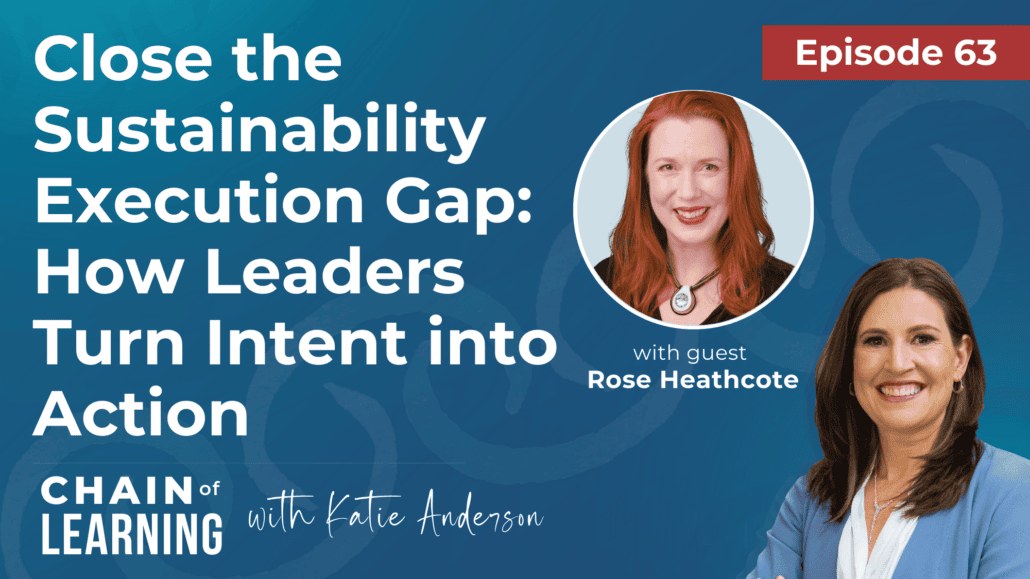
In this episode of Chain of Learning, I’m joined by Rose Heathcote, sustainability expert, lean adviser, and author, for a conversation that reframes sustainability as a transformation challenge—one that looks strikingly similar to lean transformations, strategy deployment, and culture change.
We explore why sustainability often lives in strategy decks and slogans instead of everyday practice—and what it really takes to shift upstream.
From how work is designed, to how problems are framed, to what leaders pay attention to at the gemba, this conversation highlights how improvement thinking, systems thinking, and influence skills come together to close execution gaps.
This episode goes beyond sustainability to surface a pattern that shows up across many change efforts—whether you’re leading environmental initiatives, navigating AI-enabled change, or building a people-first learning organization.
In this episode, you’ll learn:
✅ What sustainability really means—and why it’s often treated as an aspiration instead of embedded in daily work
✅ What the sustainability execution gap is, and why it mirrors lean and culture-change failures
✅ Why shifting problem-solving upstream—from symptoms to root causes—is critical for creating lasting impact
✅ How lean thinking and problem-solving skills enable sustainability and organizational transformation when paired with influence and change leadership skills
✅ Why speaking the language of business matters for gaining leadership buy-in—and how AI can be used as a thinking partner to support systems thinking and better decisions
Listen Now to Chain of Learning!
If you’re working to close the gap between intention and execution, tune in for practical starting points for leading meaningful change that lasts.
Watch the Episode
Watch the full conversation between me and Rose Heathcote on YouTube.

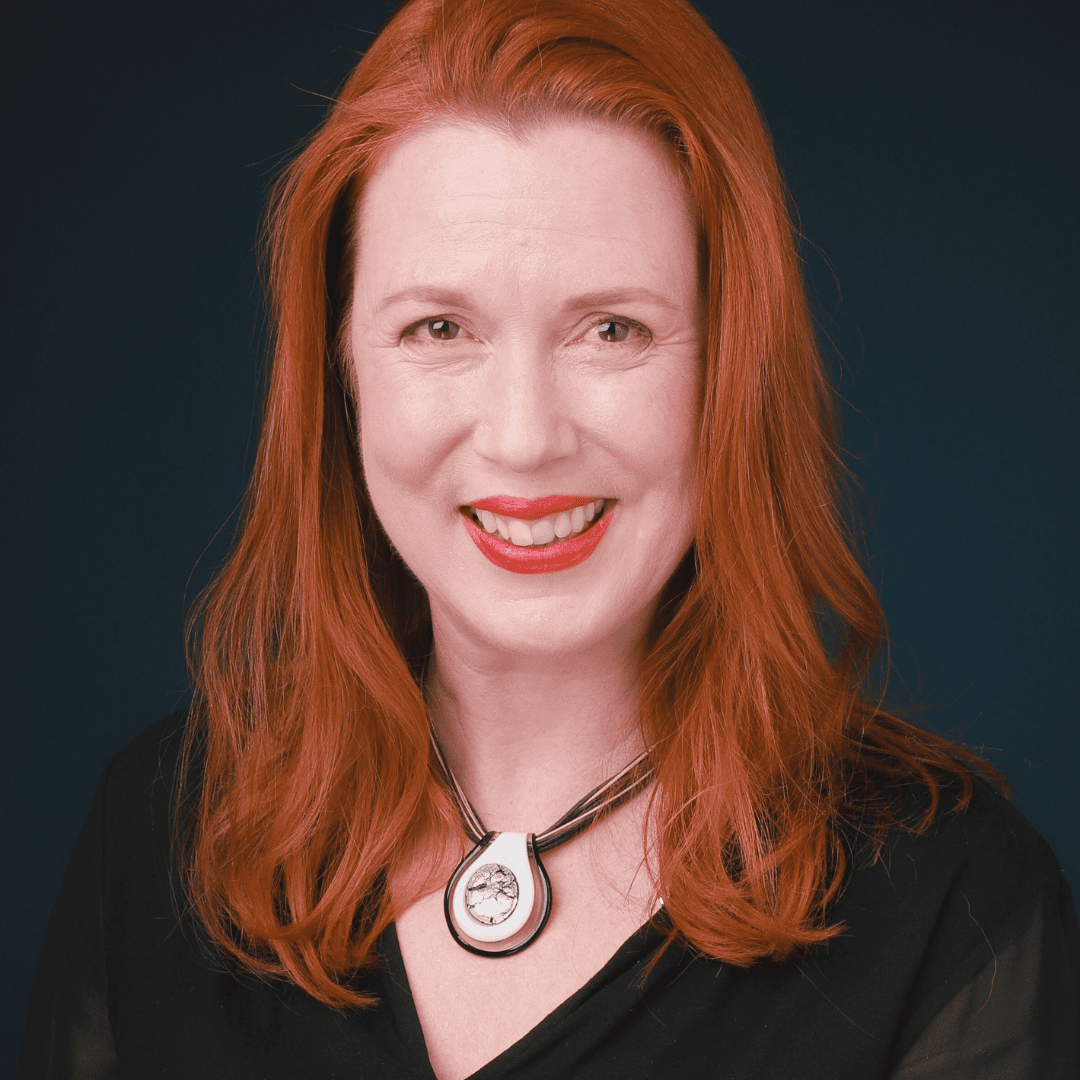
About Guest
Rose Heathcote is a speaker, writer, educator, and adviser who works at the intersection of lean thinking, sustainability, and people-centered change. With more than three decades of experience across industry, academia, and consulting, Rose helps organizations move sustainability from aspiration to everyday practice by embedding it into how work is designed, problems are framed, and decisions are made.
She is the founder of Thinking People, where she supports leaders and organizations around the world to integrate improvement science and sustainability for whole-enterprise change. Her work draws deeply on lean principles, systems thinking, and continuous improvement, with a strong emphasis on developing human capability to solve problems that matter—for the business, for people, and for the planet.
A Chartered Environmentalist and full member of the Institute of Sustainability and Environmental Professionals (formerly IEMA), Rose also serves as a lecturer, master’s supervisor, and course director, bridging academic insight with practical, on-the-ground application. She is the author of Green Is the New Gold, where she challenges organizations to rethink sustainability as a leadership and learning challenge—not just a technical or compliance one.
Through her speaking, writing, and advisory work, Rose is committed to helping leaders close the gap between intent and execution, build resilient organizations, and create a more prosperous and sustainable future.
Rose and I first met nearly eight years ago at a Lean Institute conference in the US and stayed connected through collaborative writing for the Lean Post and have become friends.
We reconnected in Chile in 2024, where we were keynote speakers at Lean Summit Chile, alongside Jim Womack.
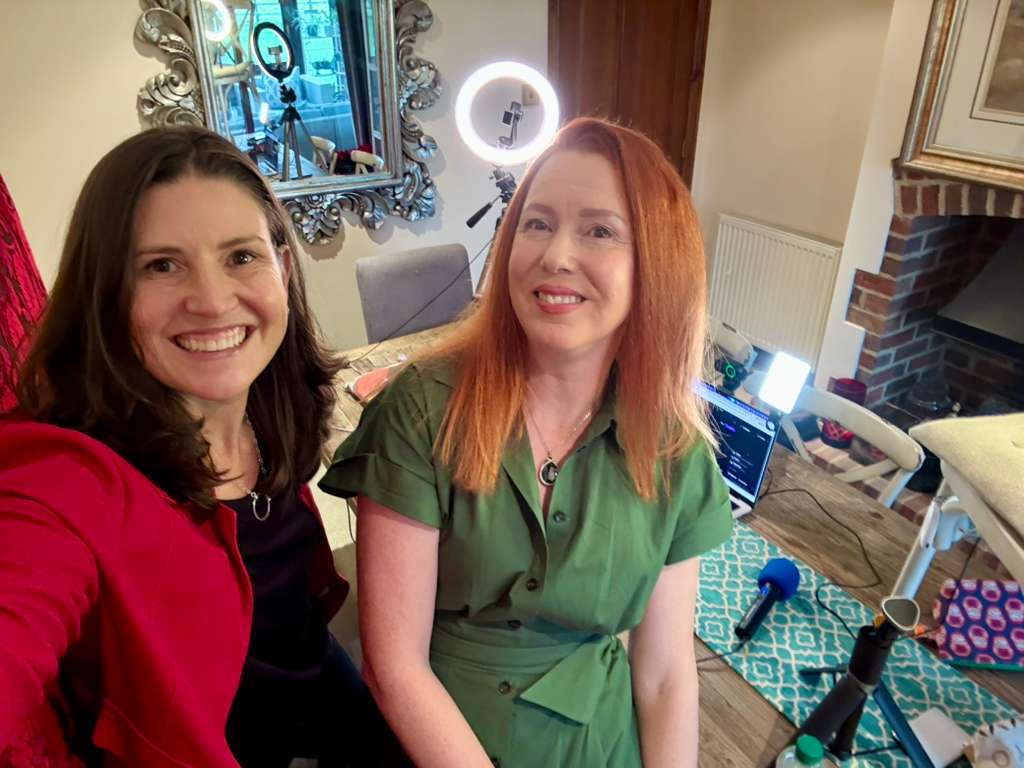
In December 2025 I visited the UK for a personal trip, and included some special meet ups with professional connections in my Chain of Learning. I visited Rose at her home in Buckingham, where we recorded this podcast episode right in her living room! It was a bit of an experiment – building off my in person bonus podcast episode with Nick Kemp in Japan the month prior.
Reflect and Take Action
What if sustainability isn’t stalling because people don’t care—but because it hasn’t made it into daily work?
As I reflect on my conversation with Rose, one idea really stands out: many sustainability efforts struggle because of an execution gap—the gap between what organizations say matters and what actually shows up in everyday decisions and priorities.
Rose shared a powerful insight about where that gap often starts. We focus on end-of-the-road solutions, like recycling, instead of looking upstream—at how work is designed, how problems are framed, and what people pay attention to at the gemba each day.
As you reflect on this episode, ask yourself:
- Where in your organization is sustainability still an aspiration rather than a practice?
- What’s one small upstream action you could take this week to begin closing that gap—perhaps applying a “green lens” in your next gemba walk or reframing a problem to include environmental impact?
Real change happens when you can influence thinking, priorities, and behavior—at every level of the system.
Important Links:
- Check out my website for resources and ways to work with me
- Connect with Rose Heathcote
- Follow me on LinkedIn
- Download my free KATALYST™ Change Leader Self-Assessment
- Learn more about Rose’s book, “Green is the New Gold”
- Learn more about my Japan Leadership Experience
- Episode 9 | The 8 Essential Skills to Become a Transformational Change Katalyst™
- Episode 37 | Lean Has Failed (or Has It?) with James Womack
Listen and Subscribe Now to Chain of Learning
Listen now on your favorite podcast players such as Apple Podcasts, Spotify, and Audible. You can also listen to the audio of this episode on YouTube.
Timestamps:
01:04 – Why the real challenge with sustainability starts with where the conversation begins
02:39 – A broader definition of sustainability meeting the needs of people, planet, and future generations
04:16 – Why people mistake sustainability for “recycling”
05:54 – The execution gap lean leaders keep running into
07:43 – A real-world example: when “people first” and sustainability don’t show up in the metrics
09:58 – Important shifts leaders must make to close the execution gap
11:26 – Seeing waste, energy loss, and impact through a green lens
14:06 – Using AI as a thinking partner, not a replacement
15:16 – The skills leaders must develop in an AI-driven world
16:41 – How multidisciplinary thinking led to a smarter, more sustainable solution
19:19 – Why sustainability requires systems thinking across the value chain
20:23 – How to make progress towards big challenges
23:05 – The meaning of the Japanese concept, “sanpo yori” and “yanpo yori” for goodness in four ways and happiness for the long term view
24:33 – How the book “Green is the New Gold,” came to be
27:10 – Three ways to build better products and be more efficient while reducing impacts on the planet
29:19 – What we are doing well as a global community to make improvements towards sustainability
31:31 – How to broaden your lens and use what you already know to do more good
32:35 – Practical first steps lean leaders can take to apply a sustainability lens at work
34:29 – Why productivity alone doesn’t reduce damage to the environment
36:45 – A simple reflection on looking upstream to improve sustainability
Full Episode Transcript
Rose: [00:00:00] We don’t wanna only be improving productivity and efficiency only to make more products that cause more damage. Yeah. We wanna be doing this in such a way that every time we are actually growing as an organization, we are also finding ways to disconnect our growth from impact by reducing these things that we see when we do our walkabouts.
Katie: Welcome the chain of learning with the links of leadership and learning unite. This is your connection for actionable strategies and practices to empower you. To build a people-centered learning culture, get results, and expand your impact so that you and your team can leave a lasting legacy. I’m your host and fellow learning enthusiast, Katie Anderson.
When you hear the word sustainability, what comes to mind first? For most of us, it’s recycling, but sustainability is something much bigger. And while many organizations say sustainability matters. You see it in strategy decks on websites and annual reports. When you look at what people are actually working on each day and what leaders truly [00:01:00] prioritize, there’s often a gap between intent and action.
Part of the challenge is where the conversation starts. We tend to focus on the end of road solutions like recycling rather than looking upstream on how the work is designed, how decisions are made, and how problems are defined in the first place. As we move into 2026 and beyond, this conversation isn’t just about sustainability as a concept.
It’s about how leaders, how we are closing that gap, and how we shift our thinking earlier upstream to create change that’s truly lasting. Today I am joined by Rose Heathcott, a speaker, writer, and advisor who works at the intersection of sustainability and improvement thinking for more than three decades, she’s coached organizations across industries and continents helping leaders turn sustainability from intention into action.
Rose is the founder of thinking people and a passionate advocate for whole enterprise change that develops people while building resilient future ready [00:02:00] organizations. Rose and I first met nearly eight years ago at a Lean Institute conference in the US and stayed connected through collaborative writing for the Lean Post.
Last year we reconnected in Chile. We were both keynote speakers at the Lean Summit in Santiago, along with past channel learning guest Jim Womac, and spent a few days traveling together after the conference. I’ve been looking forward to this conversation ever since I knew I’d be visiting Rose in the UK in December, 2025.
We recorded this episode live in person, right in her dining room. Before we got started in our conversation, I thought it was important to have a common definition. So we started our conversation with a simple but important question. How does Rose describe sustainability and how does she think about it?
Let’s dive in.
Rose: First of all, I think sustainability is a really big word. There’s quite a bit to it, which initially can actually feel quite overwhelming. But, um, if we were to think about a definition, we could go back in time and, uh, in the 1980s there was quite a commonly used [00:03:00] definition, which is. Really that sustainability is about meeting the needs of today without compromising the needs of tomorrow.
And that’s a, that’s a really good definition. But over the years it has evolved. And I kind of like a fresher thinking where we talk about sustainability as being more about how do we meet the needs of all within the means of the planet. And I actually wanna emphasize the word all for a moment because it’s not just you and me, Katie.
All right. There’s quite a bit more to that. There’s all includes vulnerable people in vulnerable countries. We’re talking about nature as well. How do we meet the needs of nature as well? And of course included in that is future generations. So I think we’ve gotta expand the view a bit,
Katie: right? I mean, it’s almost like how we’ve been thinking from a lean lens that we can’t think about just optimizing.
One component. Yeah. Of the company or one component of the value chain. We actually need to think even more broadly about the whole, not just the parts.
Rose: Yeah, exactly. And maybe taking it a step further with sustainability. I think even myself [00:04:00] initially I was only really thinking of it from an environmental point of view, and sustainability has an environmental aspect as well as a social aspect and, and we actually need to concentrate on both.
Katie: You were telling me a great example about how, you know people, people often have a misconception. In their minds and when they hear the world’s sustainability. So maybe share that because I think I, we, we probably all have this sort of initial thought. When you hear sustainability, what do you think of most people think of?
Rose: Yeah. Unfortunately, most people think of recycling. So yeah. I’m glad you’ve asked. That because quite frankly, whenever I meet somebody new for the first time, they’ll say to me, you know, what do you do for a living? And I’ll say, oh, okay. I work in sustainability. And they’ll say, oh, we do a lot of recycling.
And that’s kind of where the conversation stops. And um, uh, it’s a bit limiting because recycling yes, is important and is something we should do, but it’s, it’s really an end of the road kind of solution. There’s so much more that we need to do in the earlier stages of the supply chain, even in design stages, uh, in [00:05:00] order to make improvements and recycling is well.
To do when you actually can’t make any other improvements. Right. Uh, it’s the end of the road kind of stuff,
Katie: right? Think putting your problem solving definition hat on, it’s like dealing with the symptom, like, we have waste at the end and so let’s recycle it rather than going upstream and really getting to the root cause.
And then it’s probably even defining what the actual problem is and, and starting to see that there is a problem in the first place. Like truly learning to see and learning to see from this new lens of green. Yeah, I like that. I like that a lot. One of the other things I thought was really profound when we were talking, and I’ve seen you speak, is talking about how we have this execution gap, especially in companies between a strategic intent around sustainability and maybe some words on the wall or the strategic plan.
Then what’s actually happening? So this, this execution between intent and action.
Rose: Yeah, that’s, I mean, that’s a really, a big part of what I’ve been talking about quite a lot, uh, in the last few years. I concentrate a lot on the [00:06:00] execution gap because even in our, in our lean environment, we’ve been experiencing this, if, if I think about what the real power of lean is.
Uh, uh, for me it’s about connecting strategy and action. So what are the ambitions of ambitions of the company? What is the strategy of the company? What are the big picture goals? Essentially, how do we get everyone every day working together in order to, to accomplish these goals? And how do you go to a guy on the shop floor and say to him.
You know, what is it that you’re working on or what is your role in the organization? And for him to actually be able to connect his everyday work and even the problems he’s solving to something more strategic is, is is quite a challenge. So even in Lean, we see this, and I think the power of lean is in connecting strategy and action.
So when we talk about the execution gap and sustainability, it’s actually a similar problem. Uh, if I visit companies and let’s say. I read through their sustainability reports and I see what it is they’ve got in mind, uh, in terms of improvement or go to their website and you can [00:07:00] see all their ambitions laid out on the, on the webpage saying, we wanna be better at this and better at that, we wanna be a more sustainable organization.
But then when you actually walk the ember and you go see where their action is. You start to see a disconnect and it doesn’t quite match the problems that people are working on, don’t quite match the ambitions that they they’re putting out there. So I call this the execution gap and um, I think that’s definitely, uh, something for us to concentrate on.
Katie: Absolutely. And I see the same thing. It’s like we have slogans on the walls or you. Sayings, but then when it act or aspirations, but it’s not translated into action either from people connecting what they’re doing each and every day to that, and also how the executives are showing up. I had, you know, I shared with you earlier this great example that, uh, Gustavo.
A leader who works in the mining industry from Brazil, who joined me on one of my Japan leadership experiences. It was around the same thing, like realizing that like we might have slogans on the wall that say People First or sustainability, and he, he realized when he went back to his company after this [00:08:00] immersive time in Japan and really seeing what like a people first environment was about and seeing actually a company that really believes in sustainability as well.
That their actions weren’t really aligned with that. So they said people first in sustainability were their, were their, you know, their top priorities. But the way they talked about their metrics from both at the executive level down to the front line was around quality delivery, you know, cost. And he said.
Wait a second. We’re not putting our actions where we’re, where we’re saying, is it truly our strategic intent? And so they did an experiment and they flipped it on their, on their boards. They put people first, sustainability second, and talked about that. And he said it was amazing. In three months, people were much more engaged.
Their engagement scores went up, they cost went down, quality went up. And they could see there was a greater connection, uh, probably to that strategic intent around sustainability too. And so you have to put your action where. You say, well, you know, what you say is important. Remind me where your mouth is.
Yeah, totally. So that was a really powerful example of how like we can make small shifts and also realize, are you putting your actions to [00:09:00] where what you say is really most important?
Rose: Yeah, I mean that’s, that’s hitting a nail in the head because I actually surveyed around the a hundred participants. I asked them, tell me, if you were to look at your various performance measures in your company, how would you rank them in terms of importance?
And what I meant by that was. Which are the ones you’re, you know, clearly focused on, but also you can see resonating in the problems that you’re solving. And I said in terms of quality, cost, delivery, safety, morale and environment. How would you rank these in terms of the priority within your company? So, and those are the same companies that are representing on their webpages and, and their sustainability reports that this is a top priority.
Every single one of those participants ranked environment or sustainability right at the bottom. It was the last thing on the list. Yeah. And it’s not because they don’t care about it. Their intention is there, but it’s just not coming into day-to-day stuff.
Katie: Yeah. But there’s also even, how do we get to believing that?
That’s really important. And we’ve talked about a few critical things to close this execution gap, and you had some really powerful things to say. I would love to hear [00:10:00] again, like what do you think those are? Important shifts that we need to make to be able to create the understanding of the strategic intent and then close the gap from action.
Rose: If you wanna close the execution gap, I think your starting point is to close the education gap. Sustainability has a few new things to it, maybe, uh, a few aspects to it that. Might be new to you, might feel a little bit overwhelming even in the beginning, maybe even some technical details you need to learn about.
So, so my suggestion to people is if you wanna close the execution gap, you gotta start with educating yourself on, on what sustainability is and what it might mean within your particular environment. And what are the types of things you could look for? The second thing I think is really important, and I punt this a lot, is what’s the business case for sustainability?
It’s really hard to to know, to give focus and priority and, and resources to something if the leaders are not behind it, right? Sometimes they need to understand, you know, how does this work well for the business too? So if we can produce a business case to say, um, this is what sustainability can also do for the company in terms of how [00:11:00] do we raise revenues, how do we reduce costs, and how might this affect the bottom line cash flow, working capital?
Um, and if you can work out the business case, which is absolutely doable, then you’ve got yourself a great motivation for taking it forward and for, for getting leaders on board. And then the third thing is, is about fine tuning what we see when we walk about, when we go on a gemba walk. Uh, you know, how do you put the green lenses on and start looking for new problems to solve?
You know, if you walk about and you see that there’s, you know, uh, steam losses and or lagging of pipes is not right. You know, you might see energy losses and you might see that on a walkabout and say, okay, well what are we doing about this? Or you might look around and you see there’s quite a lot of defects or materials being wasted, which can affect.
The amount of materials we are extracting from the earth in order to replace those materials. So you start to fine tune your eyes, put on the green lenses and say, what do I see? And you learn to see, uh, the green related problems as well.
Katie: It’s like even using those seven wastes from, you know, [00:12:00] the Toyota production system, but at a different level that like, they’re, they’re broader problems than just this immediate thing in front of us.
It’s, it’s that broader value chain that we were talking about with that goes beyond just our, our little efficiency from our. Our own company, our own part of the puzzle, but the broader globe, I, I think those are really powerful. So if we go backwards, so how do we define problems differently? So how do we see things like, oh, and, and how do we, how are we really seeing things not just from the symptom here or even, uh, you know, in, in defining.
Problems. And that’s our, that’s our opportunity. As lean people, we’re so good at helping define problems, but what should be happening, let’s look at that in a broader definition. And then two is so powerful, and I see this with lean as well, or continuous improvement. We’re so passionate once you’ve already got, you know, gotten into something that you like, let’s do lean, let’s do process improvement, continuous improvement.
But we’re, we lead with the methods or the, the thing that we’re passionate about, rather than speaking the language of business and framing it in the business case to help [00:13:00] leaders see they, you can get them on board with seeing the broader value, but also you need to frame it in the business. And I talk about this in my catalyst change leader model about you need a need, a knowledgeable business communicator.
That’s the first K. And that goes to this too. I mean, just coming and being like sustainability. Sustainability or lean, lean, lean isn’t going to necessarily be what gets, um, leaders on board. And hopefully you can get them on board and help see the bigger picture. Her and get the buy-in and then that education gap.
So, so big. And this leads us to, you know, I, I think that’s why I wanted you here as well, rose, to help close that education gap for many people who are, uh, you know, passionate about lean and making the world a better place. And how can we broaden our definition of what sustainability is and how do we use our lean thinking to actually make progress?
And we were talking about other ways that we can, you know, so I, I feel like two big changes or big things that are happening in our new world of work is around how do we. Look at sustainability. And the second is, how are we leveraging ai? And you made this great comment to me [00:14:00] about how you’re seeing like we have access to almost like PhD level knowledge outside of our disciplines now.
And how do we leverage that to help us close that, that gap and maybe have more of a multidisciplinary lens that we’re coming from?
Rose: Yeah. Uh, this to me is quite fascinating and I really do think that we shouldn’t be afraid of ai. I think it can really be our, our friend, especially with. Challenges such as sustainability challenges, which can feel, you know, a little difficult to understand at, at times.
And you, you spoke about the lean, um, approach to, to finding problems in that. And I think we can use our lean tools in order to expose problems, including sustainability problems, but we can also use AI in order to help us understand things that maybe we haven’t figured out before. And as you mentioned, AI products now are literally able to give you a PhD level of insight.
From every discipline simultaneously. That’s what you have access to. So AI can become your thinking partner. So if you’ve got a particular industry that you’re in or environment that you’re in, [00:15:00] do the research. You know, find out what makes sense in your own environment. Use AI to help you think through particular problems that your particular industry might have.
And then what are some of the solutions out there that people are experimenting with? So that’s one of the things I think is, is important. Don’t be scared of ai. Use it as your thinking partner. But the second thing is we, in the world of AI and the world of technology and how this is converging in our lives and converging in industry, I think there’s a real opportunity for us to say, what kinds of skills do we need to, to develop as a result?
Yes. And I’m, I’m constantly following things like the future, uh, work. Jobs report by the World Economic Forum, and I looked at this year’s one and some of the similar things are coming up again. You know, we need to build our skills like collaboration skills and creativity skills, problem solving skills, being more agile and adaptable.
These are the types of things that are popping up every year and I think we should continue to, to do that. And as lean people, this is not too unfamiliar for us. These are the types of things we talk about, right? Lifelong learning is another one. But in addition to that, [00:16:00] you mentioned multidisciplinary learning.
So how do we start to understand that expanding outside of our silos and looking beyond into the system to understand what are some of the impacts? What are some of the problems that can be solved, especially from a sustainability point of view? So let’s get, get comfortable with looking at the value chain rather than just the area that you’re comfortable with, uh uh, in order to solve problems.
Katie: As you’re talking right now, I, I was just thinking of this example that I use often when I’m talking about root cause problem solving, and it’s, some of you might be familiar with it and it’s about the Washington Monument in the United States, but it was all, actually all the monuments in the United States that were degrading, and this was a real, something real.
There have been case studies written about it, and you could have just had like. One or two disciplines come together to problem solve, but they brought together so many different disciplines to look at this. And they didn’t just stop at why were the monuments degrading? They really, and then they, they saw that, you know, that the, there was more bird poop and they didn’t just stop [00:17:00] there.
That, that. First cause they, they went further and further and further and they realized it was ’cause the gnats were there and that the birds were eating the gnats. And then if they just turned on the lights a half an hour later, they reduced the need for all of the harsh chemicals and all of the birds.
And actually that’s round of sustainability, right, too. So they, they actually did some sustainability problem solving about how are we using fewer chemicals? How are we doing things, how are we turning on fewer lights? But because they brought in like the insect experts and the bird experts and all these people.
You know, today I was like 20, 30 years ago, this would, they could have done this. You know, you still wanna bring in the people, but you know, you can leverage that information so much easier. This is
Rose: this, you can leverage knowledge, you know, from multidisciplinary approaches. I think that’s really powerful stuff.
Yeah. If we can do that and we can get comfortable with doing that, it can be a real benefit with sustainability issues.
Katie: And then AI isn’t just generative ai that’s. Doing, helping us as a thinking partner. AI can also help from a sustainability of like monitoring how much water usage and understanding if there’s, [00:18:00] you know, some, there’s wastage happening that we wouldn’t, we normally would’ve had to go and do something manually.
So it can help us inform those things. So how can you leverage ai, not just, uh. Certainly for each of us as thinking partners also in your businesses, there are other ways to be bringing in technology to almost mistake proof that judo sense of Judoka, which I’ve been, I wrote about recently in in industry week about, you know, how do we continue to mistake proof and.
AI is just the continuation of the evolution of technology, and it’s not meant to diminish human beings. It’s how do we elevate human beings and our thinking and our capability. And so let’s use the tools to elevate and then be able to use our thinking for so many other ways. Um, some other things, you know, we’re talking about the future fit skills for, for leaders and lean change leaders.
You know, some of the things that we’ve always. Focused on is about having, you know, skills for reflection, going to see, having humble inquiry, scientific thinking. But some of these new newer skills for the new [00:19:00] world, as we said, are like AI fluency. Having a green lens, as you said, like starting to see problems from that end.
Multi bit disciplinary thinking and really focusing on that systems thinking and broadening our definition of systems, not just from the systems of our organization, but systems to the. To the planet?
Rose: Yeah, I mean when, when I talk to people about sustainability, one of the things I encourage is that we need to look up and down the value chain and try to understand where do we impact, but also where can we improve?
And if we don’t take a systems where we might actually try to improve something over here, which could have a dental metal effect. Over there. So it really does make sense to lift ourselves out of the detail, see the system, and, and see the, the interactions between the, the different parts that play together.
Uh, so systems thinking, I think is important. Your AI fluency is important. Your green thinking, these are all future skills that that can equip your staff, equip your employees, equip your teams to be able to find your problems and solve your problems.
Katie: Just like any, having [00:20:00] any big challenge or big change that you want to make happen can feel daunting.
And I may, I imagine this is some of the execution gap that we see. It’s like we have this huge challenge up here, but to get there feels so insurmountable. How are you helping your clients in, uh, organizations around the world? I know you’re working with, you know. You’re going to Columbia and Chile and you come from South Africa and you’re here in the uk.
Like how are you helping leaders and organizations make progress towards that big challenge?
Rose: I think the, the first thing is it’s, it’s good to have a big picture challenge that you’re aiming for, just like you would in lean transformation. So have this longer term view, uh, of what you’re aiming for, but you’ve gotta break it down into bite-sized chunks.
And, and there are different schools of thoughts around this who say, oh no, how, how do you, how do you just make small improvements? We need to make really big improvements if we’re gonna make a difference to the. On it. But I do think you’ve gotta bring people along for the ride as well and help them to develop their skills along the way.
So, um, I think setting interim target conditions, just like we do in Lean, is [00:21:00] just as applicable in sustainability. So divide the big picture, challenge up into interim targets. That’s the first thing. The second thing I would suggest is, um, use your lean. So for example, what I mean by that is, is when you start making improvements, whether it’s.
Improving your use of material or reducing pollution or, or reducing transport waste or whatever it is you’re focused on in your business. These can also bring real savings and it’s a, it’s a great strategy to, to actually bring your teams together to help you make these improvements even related to efficiency and quality and stuff like that in order to, uh, liberate resources.
In order to liberate funds so that you can reinvest those funds into bigger ideas. So for example, if you think solar is too expensive or, or transitioning your fleet of vehicles is too expensive, fair enough. But what if you started smaller? Generated savings and then reimburse those savings. And there are a lot of organizations doing that.
Right.
Katie: That’s fantastic. I mean, it’s the same thing as you said with like a, a lean transformation start somewhere to, with [00:22:00] intent to help people learn, but also maybe where you are going to get some savings that you can then reinvest and continue to grow and also continue to build that business case. So it’s like with, it’s like with any change management and, and change leadership, we have to, you know, get them momentum and, and, and have proof of concept
Rose: and you’re touching on something which I really wanna emphasize here.
Is, is I think there’s a lot of lean, people are probably listening to this podcast who are very interested in how do we progress our thinking and, and include sustainability in the po and you, you, you want to be able to use your, your skills that you already have in, in order to accomplish that. So I think don’t be scared to try that.
You’ve actually already got in your arsenal of tools, amazing stuff to help you see and solve problems. So, so why not tap into that knowledge and, and, and make that happen for yourself?
Katie: For sure. You know, I’ve been thinking about how, you know, I talk about this on the podcast. Too, that we need to have a broader definition of how we’re seeing lean.
It’s not just for good, for the good, for the company it’s in, or good for the customer, it’s good for the community as well. There’s a [00:23:00] saying in Japan, it’s like a Japanese business mindset, and this is, you know, this is what came out of the Toyota production system. And a lot of the companies I take people to on my Japan trip, San Pori, and it’s, it’s about goodness in three ways.
And I love that this company that I talk about all the time on this podcast where they say happiness is their purpose. And they have this concept of tree ring management, which is really, if you think about related to, to sustainability, to how do we have a long-term view and grow year by year just.
Getting a little bit better. Some years we have better growth. Some years we have other like less growth. But if we keep focusing on that, we will grow. But they’ve added a fourth, so they call it YPO y, meaning the number four, YPO yori, which is about the goodness in the fourth way. And so it’s also about happiness for the long-term view.
And what they mean by that is. How do we create a sustainable environment? And they were, um, I just was there in November and they were sharing one of their numbers around sustainability. They have zero waste. They figured out how to, to, in some ways use the wastage [00:24:00] from their actual product that then goes to the customer in other ways.
Like they sell it for fertilizer, other things. And so how do we think creatively about how we can use things? Absolutely. Yeah. And it’s, I, I, I just love that, love that example. So Rose, you have some other ways that people can close the education gap as well, and you’ve been working on a lot of resources.
And there’s one in particular I wanted to highlight here because I think this is really. Accessible resource for leaders and lean practitioners who are wanting to get more informed around sustainability. You have a book, green is the New Gold. So, uh, maybe you can share a bit about this and how it came to be.
Rose: Yeah, I mean, I’ve been writing quite a lot on the topic of sustainability. I’ve basically just wrap myself up in the topic very deeply and, um, I did start writing out, uh, a very detailed book, which went into all sorts of areas of learning, um, about sustainability. But I thought to myself, well that’s quite.
Detailed and maybe leaders also need a little something short and sweet to, to [00:25:00] read and to perhaps feel a little bit less overwhelmed by the challenge ahead. So I wrote this book, green is the New Gold and, and, and the highlights in the book is really about helping people to see what could be the business case for sustainability.
How might you look at your business from a new perspective and say, you know, how can we raise revenue, reduce costs, and, and, and fund this process going forward? Uh, in the book I’ve also talked about what the potential costs could be associated with, with going more green. So, yeah, that’s part of the book.
A second part of the book is about this integration, this symbiotic relationship between lean and sustainable thinking and how the two can actually come together really, really neatly in there. I talk quite a bit about the execution gap and how to close that gap, and in particular about how do we create these nested cycles of PDCA from strategy down to action, but focused on things that can actually change, uh, and make things better for the planet as well.
Katie: Well, I, I loved looking through the book. It’s actually online. It’s a flip book, and it’s very dynamic. Because it has links to articles, videos so much more. And so we’ll put links in the show [00:26:00] notes so that you can go and check, check that out, especially if you are looking to build that business case and start looking at things from a more of a green lens in your organization, in your work as well.
So I wanna bring it, uh, back to something we talked about yesterday that the, the foundational concept of one of the pillars of the toy away, uh, respect for people, which. I understand from my time in Japan and from, um, how Mr. Asino translates it, my, the subject of my book, learning to Lead, leading to Learn.
It’s about holding precious, what it means to be human. And you made a nice connection in our earlier conversation about how that really relates to the concept to sustainability as well.
Rose: I mean, respect for people is, is obviously a very important pillar that we all learn about in, in lean thinking and, and we, we, we strive to accomplish.
It’s not easy, but it’s something we strive for. But, um, what I’ve been really emphasizing lately is that how can we have respect for people without respect for humanity, and how do we have respect for humanity without respect for the planet? So this really is something I think [00:27:00] we need to take to heart because it’s not just about.
Building better products and being more efficient and more productive and doing right by the customer. I mean, all of those things are of course, important, but how do we do it in such a way that we are reducing impacts on the planet as well? And from a sustainability point of view, there’s three main areas that we are interested in.
Number one, how do we reduce the impact on human health? So things like anything that can create respiratory diseases or pollution that can affect people, you know, how do we reduce that impact? How do we go to gemba, look for the root causes of some of those issues and address them rather than trying to solve health issues later.
The second thing we’re interested is in the health of our ecosystems. So how do we protect our ecosystem? So how do we go to Gemba look to see what are some of the things that are damaging our ecosystems, what pollution is leaving our building and going into waterways and oceans into too much trash, which never really goes anywhere except back to Earth.
Right? And the third thing we are interested in is resources. So how do we. How do we make better use of our resources? How do we waste less [00:28:00] of our resources so that we are extracting less from the earth? And in in light of that, and going back to your example, that wonderful company you spoke about, how do we keep things in circulation for longer?
So the minute product hits the ground and goes to trash, it starts to create. Damage or, or negative impact. So how do you keep the stuff that you make in circulation for longer by either reusing it somewhere else, redesigning it, bringing it back, or whatever the case may be. So there’s a lot of, uh, uh, interesting things we can think about, uh, in order to accomplish those three areas of reduce impact on human health, reduce impact on ecosystem health, and protect our resources.
Katie: You also shared a, a, a really powerful example about how sometimes this big challenge can feel so insurmountable and it can just feel like, well, can we really do anything? But we have made progress in other ways, in other big challenges, uh, as human, as humans around the world. And, and so it’s really important to remember that, that we, that collectively we can [00:29:00] make an impact.
And, uh, can you share that example that you’ve, you talk about often from the stage to, to not just talk about the, the gloom and doom. Yeah. But also we can do it.
Rose: Yeah, I mean I’ve, I spoke to Katie this morning saying to her how I do generally start my presentations off with the doom and gloom so that people are aware that, that there is a lot of stuff we need to improve on.
However, there’s actually quite a bit of stuff that we’ve already done very well, um, as a global community working together to make improvements. So that’s really why I wanna emphasize that, you know, you don’t need to feel alone when we do work together, first of all, individually. Then within our families, then within our organizations, uh, that does really start to add up.
And one of the examples I love to share is about child mortality rates. And, uh, you can read the book Fact, which, which gives a lot more detail about this fantastic book. Um, but essentially, uh, our child mortality rates in the 18 hundreds we’re sitting at around 43%. 43% of children didn’t make it. Wow.
Katie: And I’m sure there was maternal death as well [00:30:00] on that too.
Rose: Yeah. And people had a lot of children, you know, because only some of them would really survive and survive beyond a certain age as well. Uh, to now to, to 2020 and onwards. We’ve brought that down to less than 4% over that period of time. Still too high. Still rumor improvement, right? Yes. But what an amazing accomplishment over a period of time, and that’s due largely to things like an improvement in education of mothers Nutrition has improved, food production, has improved, vaccinations better, better medical care.
All of these things have contributed to that. However, lean also has. To save lives. And I worked with some public hospitals in South Africa and um, there was some, some wonderful work that was going on there. And, you know, at the Lean Institute we helped to initiate some of the, uh, thinking of lean in, in healthcare.
And over time they then progressed that to even reducing things like neonatal deaths. By 50, 60, 70%. Um, uh, and, and that to me is an [00:31:00] example of lean, helping to save lives and contributing to this child mortality rate. So really collectively, when we put our heads together and use the tools, the systems, the opportunities that we, we are, we already have, we can start to make a real difference.
Katie: Yes. And it starts with. Even seeing that there’s a problem in the first place. And so I sense that that is part of your mission, is like closing that education gap and raising awareness about exactly what we can do, uh, with first the problems and then what can we do and how can we leverage it’s
Rose: possibilities?
Katie: Yes. And how can we leverage the things that we already know and we’re good at, and we’re helping, um, the world to be better at. So let’s just broaden our definition in our, in our lens.
Rose: If, if you are an improvement person, if you’re a lean person, a six Sigma person, a theory of constraints person, whatever you are, right?
You already have the skills you need in order to do this. Yeah, and that’s, that I think is the beauty of this.
Katie: I think that’s a lot of our influence comes from that ability to frame help. Leaders and organizations frame problems and then go and [00:32:00] solve problems. So how can we help frame the problem, speak the language of business, and then get the buy-in and build, you know, and then use our technical problem solving skills, the, all the tools that we have in our, in our tool belts to make progress on that.
But we also need those influence skills to get. Yeah, to define the problem and help people see it as well. And maybe a dose
Rose: of courage to get get started. Yeah, yeah,
Katie: yeah. Always. Yeah.
Rose: It’s always hard doing something new and learning something new, but, um, that can also be really exciting. So
Katie: for those passionate lean thinkers or problem solving people and listening, which is I think everyone, um.
How can, what are some of your, like, what are tangible steps that they can take? You know, in addition to getting educated and starting to use AI and maybe putting a green lens on that they can start taking to make progress in their organizations and their work for bringing more of a sustainability lens.
Rose: You know, if they take the education route, they’ll start to learn about new things, uh, to look for. And I do really think it’s valuable when you educate yourself, you’ll start to walk the floor and see new things. You’ll, you’ll start to ask questions and challenge things. [00:33:00] And maybe, like, one of the things I would challenge you to do is to ask yourself, you know, um, is the world a better place because our products and services are in it?
Or not. And if your answer is not, then this should be your stimulus to say, okay, what can we do differently? And that’s not one of my quotes. I took that from Holistic, holistic University talks about, um, that quote, uh, which it originally came from Andrew Winston and Paulman. But, um, essentially if, if you can see the potential to do better, then what can you do differently tomorrow?
And I would suggest use the education. Like fine tune your mind to go and look for new problems to, to solve. Don’t just look for the standard stuff. Go and look beyond. Look for the pollution. Look for the transport. You know, look for the material wastage. Look for the greenhouse gas emissions and the sources of those, and start to ask yourself, oh, maybe there’s something we can do here.
Yeah.
Katie: I mean that, then that gets back to something you mentioned that we’re all, and I always say I’m a learning enthusiast. We’re all life. Being a lifelong learner and still continuing to grow our own skills [00:34:00] minds is so, is so powerful and, um, yeah, let’s, let’s make the world a better place and work together for really how do we hold precious, what it means to be human and a human being in this, in this.
Plan it together.
Rose: Totally agree. And, and I think as lean people, um, there’s quite a few, uh, institutions out there that talk about lean is about making the world a better place. They actually have that as part of their slogan. And I don’t think we can actually say that for real unless we are thinking about how can we reduce impact.
So we don’t wanna only be improving productivity efficiency only to make more products that cause more damage. Yeah. We wanna be doing this in such a way that. Every time we are actually growing as an organization, we are also finding ways to disconnect our growth from impact by reducing these things that we see when we do our walkabouts.
Katie: Great. Well, I had a lovely walkabout with, uh, outside. Awesome. Yeah. It was a beautiful sunny day Here. It still is. You can see. If you’re watching on Not Bad for England, yeah, it is been great. Whereas we could go on for so long, it’s been fabulous [00:35:00] to not only have you as a colleague for many years, but to develop our friendship as well and travel together in Chile and now visit you in your home.
Um, this is really what the chain of learning’s all about. Oh, and we also met up with some other great, uh, lean thinkers and practitioners in the uk. Some, some past participants from of different cohorts of my Japan leadership experience as well as others who, um, I’ve been connected with in a long time for a long time.
And. Haven’t necessarily met in person. So that was delightful to do here. It really was. And we were sent to Coventry. Oh, we went to co Yeah, we were sent to Coventry, which was, uh, more than being sent to Coventry. We learned a lot about the connection. It was amazing actually between Japan and the, you know, the post World War II of the UK and Japan and some shared history.
So, um, I’ll put some links to some information there as well in the show notes. So thank you Rose, and I encourage everyone to connect with Rose. Follow her. We’ll put the links in the show notes. And go educate yourself, um, about sustainability. I have learned so much in, in listening to Rose over the last few years, talk about sustainability and, uh, and from her book and so much [00:36:00] more.
So thank you Rose for coming on the podcast. You’re very
Rose: welcome, and thank you so much for bringing attention to this important topic. I really appreciate you. Thank you. Take care. Bye.
Katie: As I reflect on my conversation with Rose. One idea really stays with me. So many sustainability efforts don’t stall because people don’t care.
They stall because of a sustainability execution gap. The gap between what organizations say about sustainability and what actually shows up in daily work decisions and priorities. One of the most practical insights Rose shared is where the gap often starts. We focus on end of road solutions like recycling rather than looking upstream at how work is designed, how problems are defined, and what people are actually paying attention to.
At the gemba, at the work each day. Here’s a simple reflection to start with. Where in your organization is sustainability still treated as an aspiration rather than something embedded in the problems people are solving and the decisions they’re making? And what’s one small upstream action [00:37:00] you could take this week to begin closing that gap?
Maybe it’s putting on a green lens to your next gemba walk. Reframing a problem to include environmental impact or starting a different conversation with leaders about what sustainability really means for the business. And this is where the conversation with Rose connects to a much bigger leadership challenge.
Because sustainability isn’t the only place that we see execution gaps. We see them in lean transformations in strategy deployment. And culture change and people first aspirations that never quite make it into day-to-day behavior. Closing any of these gaps isn’t about just having the right ideas or solutions.
It’s about influence. The skills required to bring others along, knowing how to speak the language of business. Building a compelling case to get buy-in and helping leaders connect change efforts to what they really care about, results, resilience, and long-term success. These influence skills matter whether you’re leading environmental sustainability, driving operational [00:38:00] improvement, a lean transformation, or trying to create a people first learning organization.
Real change happens when you can influence thinking priorities and behavior at every level of the system. Like I shared in this conversation with Rose, that includes competencies in my catalyst change leader model, such as being a knowledgeable business communicator, an astute political navigator, and a skillful facilitator so that you can help move ideas from intention into action together.
So here’s my broader invitation to you. Where do you see execution gaps between intent and action in your organization right now? And what influence skills do you need to strengthen to help close them? If you’d like support in understanding the competencies you need to influence change, I invite you to download my free Catalyst Change Leader assessment.
It explores the eight competencies that you need to pair with your technical skills, including the influence skills we’ve been talking about today. You can find it at. K BJ anderson.com/catalyst spelled with a [00:39:00] K. And if you wanna go deeper, be sure to listen to episode nine of this podcast where I walk through each of the catalyst competencies and how they show up in real world change leadership.
You’ll find links to these resources, references to related podcast episodes, and information on how to connect with Rose and access her book. Green is the New Gold in the show notes. If you found this episode valuable, please follow or subscribe to Chain of Learning and share it with a colleague or friend so that we can continue strengthening our chain of learning together.
And if you’re enjoying the show, a rating or review on your favorite podcast player really helps other people find it. Thanks for being a link in my chain of learning today. I’ll see you next time. Have a great day.
Subscribe to Chain of Learning
Be sure to subscribe or follow Chain of Learning on your favorite podcast player so you don’t miss an episode. And share this podcast with your friends and colleagues so we can all strengthen our Chain of Learning® – together.