




From Doing the Work to Shaping the Conditions
What if the reason leading your organization’s transformation feels heavy isn’t the work itself—but how you’re showing up as a change leader?
If you’re a change leader, continuous improvement professional, or internal consultant, this tension may feel all too familiar. You’re helping. You’re busy. You’re delivering results. And over time, you find yourself wearing every hat—facilitator, teacher, problem-solver, checker—often all at once.
That was my experience too as an internal change leader. And it’s a pattern I see repeatedly in my work with internal change leaders and improvement practitioners: when we’re not clear on our role, we quietly become the doers of transformation, when our real work is to enable others to lead it.
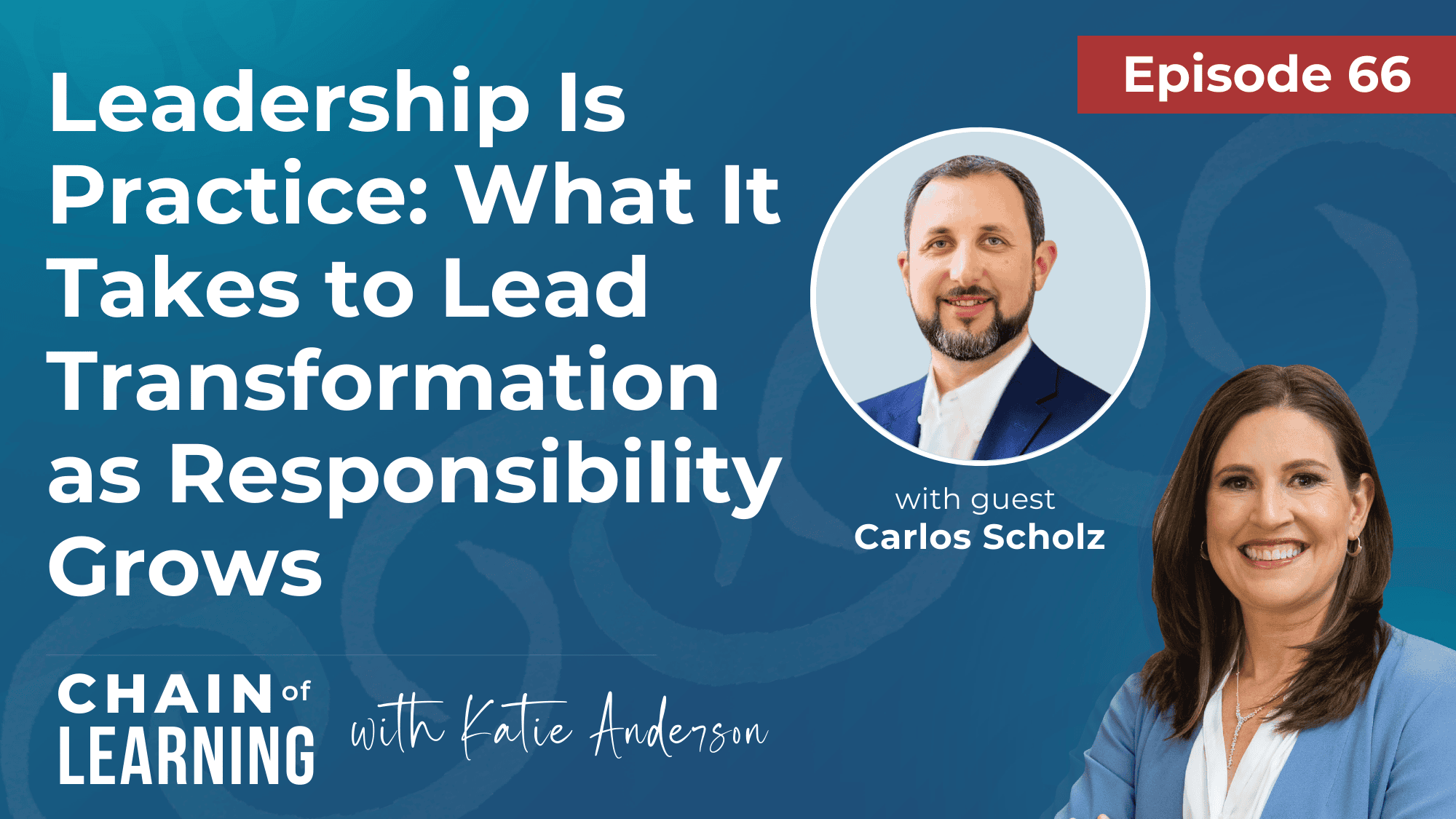
In this episode of Chain of Learning, I’m joined by Jill Forrester, Director of Continuous Improvement at 3sHealth, to explore the leadership shift that changed how she and her team show up in their work.
Jill shares how moving away from “helping” as doing—and toward intentionally shaping the conditions for learning, clarity, and ownership—has transformed both the experience of the work and its impact.
If you’ve ever felt the weight of carrying organizational transformation on your shoulders, this conversation will help you see why that burden builds and how redefining your role, your intention, and the way you help can change everything.
In this episode, you’ll learn:
✅ Why internal change leaders often become the default doers and why that role isn’t sustainable
✅ How the lack of role clarity creates confusion, overburden, and dependency for leaders and their internal clients
✅ What it really means to create the experience for learning, not just drive improvement outcomes
✅ Why clarifying and labeling your role and intention changes how others engage
✅ How shifting from doing to enabling builds capability, ownership, and sustainable transformation
Listen Now to Chain of Learning!
Tune in to discover how redefining your role and how you help can change everything.
Watch the Episode
Watch the full conversation between me and Jill Forrester on YouTube.

About Guest
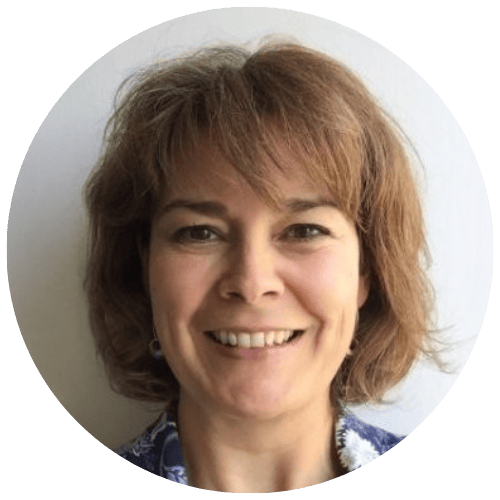
Jill Forrester has been a leader in health system transformation since 2012. She has collaboratively guided the development of a comprehensive management system at 3sHealth, encompassing patient and customer engagement, problem-solving and process redesign, strategic visioning and deployment, performance measurement, leadership coaching and development, and employee engagement.
Jill is an active member of a strong provincial network of continuous quality improvement leaders dedicated to strengthening Saskatchewan’s health system through learning-centered, people-focused practices.
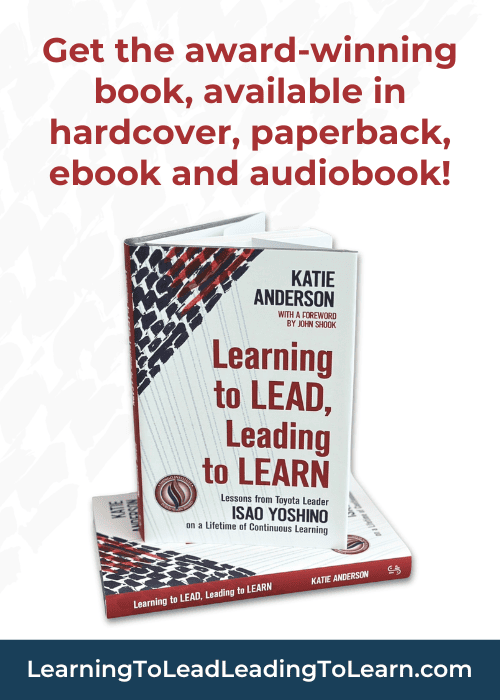
Jill and I first met at the height of the Pandemic. In 2020, I had just published. “Learning to Lead, Leading to Learn,” and was invited to give a virtual keynote for the Lean Practitioners Association of Saskatchewan at a time when leaders everywhere were being tested in new ways.
It’s been an honor for me to work with Jill, her team, and senior leaders across her organization in many ways over the last five years.
And recently Jill made the investment to join my Japan Leadership Experience where she got to see and experience lean first hand.
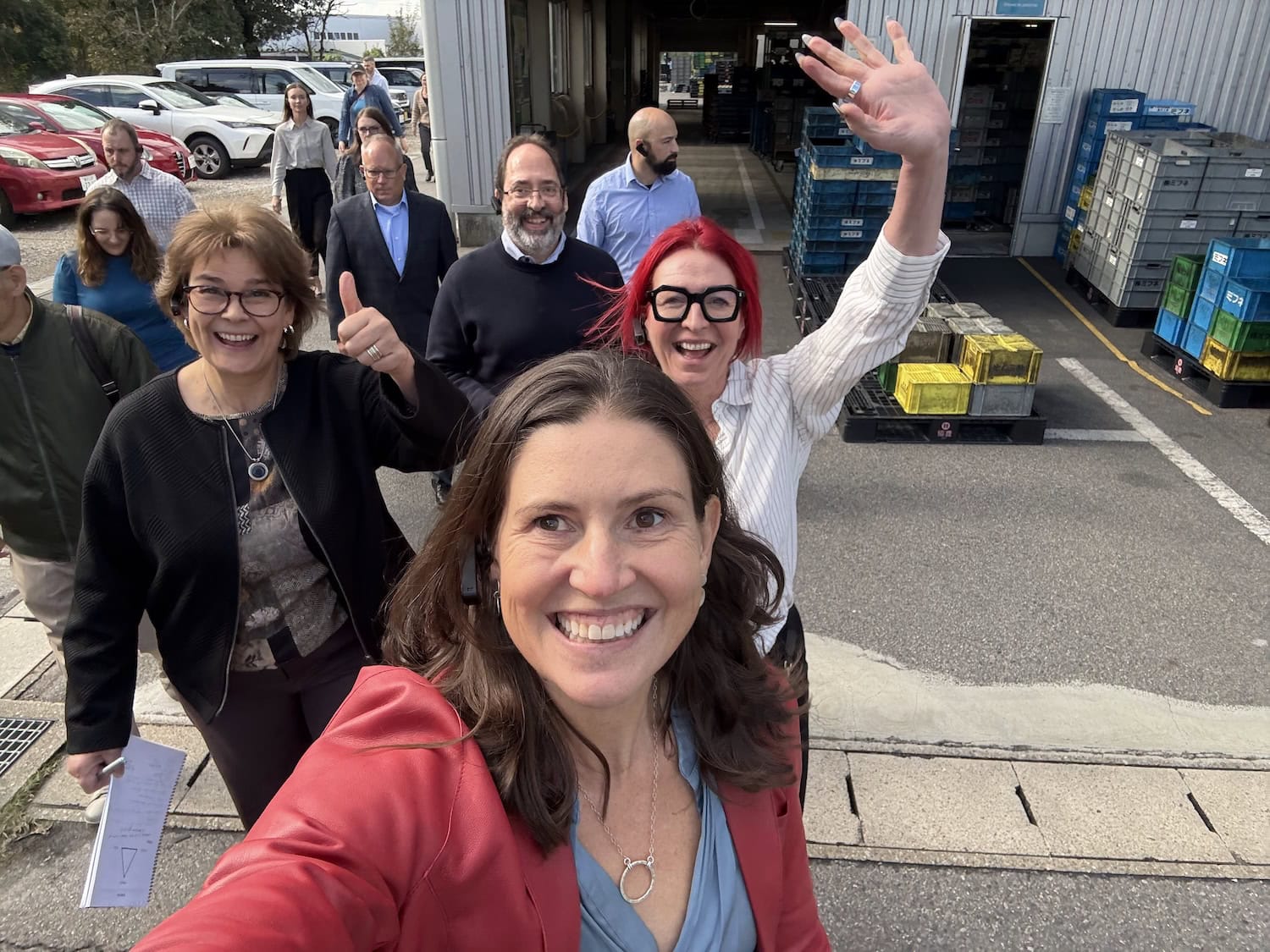
Join the Next Japan Leadership Experience
“This experience has been completely reinvigorating.“
This was what Jill shared while she was on my Japan Leadership Experience in November 2025.

If you’re drawn to a once-in-a-lifetime immersive experience where learning doesn’t stay theoretical—but translates into real impact in your organization and your life—this is for you.
The Japan Leadership Experience is designed to help you:
-
Deepen how you think about leadership, learning, and culture
-
Connect purpose, intention, and daily practice
-
Accelerate your impact by clarifying the actions you need to take next
This is time and space to reflect, challenge your assumptions, and reconnect with what truly matters so you can lead with greater clarity, confidence, and intention.
Learn more and submit your application to set up a time to talk with me about your goals and how this immersive program can accelerate your leadership.
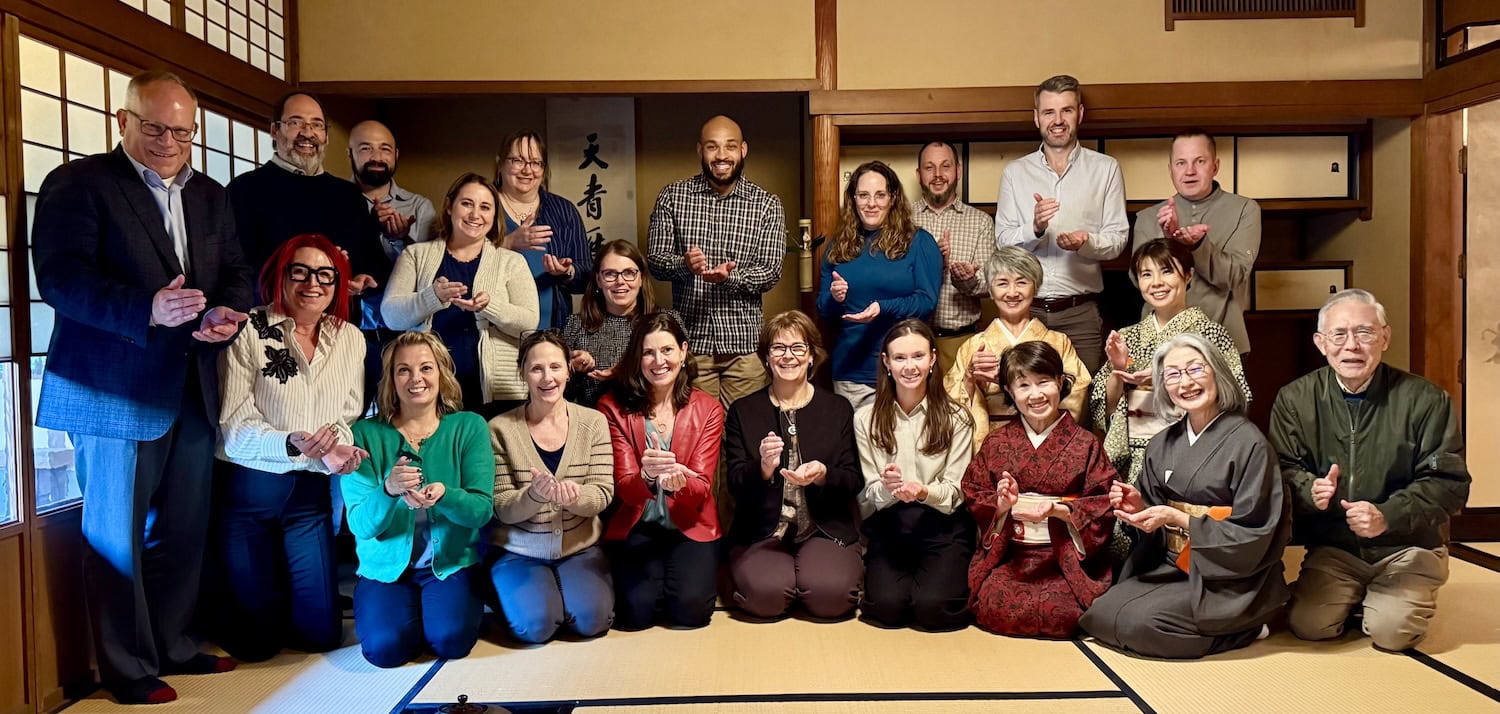
Reflect and Take Action
What if the most powerful shift you could make as a change leader isn’t what you do but the experience you create for others?
As a change leader, your role isn’t just to help the organization get results. It’s to create the experience for people to learn and lead change themselves.
Jill’s organization already had strong systems, solid results, and real momentum. But the deeper transformation began when she and her team started to see their role differently—not as the ones doing the work, pushing the process, or checking on progress, but as leaders intentionally shaping the conditions, structures, and environment for learning.
What experience are you creating for others right now and is it helping them grow, or quietly keeping you in the center?
Before your next meeting, coaching conversation, or facilitated discussion, take what I call an intention pause.
Ask yourself:
- What is my purpose and role in this interaction?
- How do I need to show up to align with the impact I want to have?
Knowing your role and purpose is essential—but to make it explicit for others, you have to name your role and intention out loud. Tell the other person, or the group, why you’re there and what you’re hoping to create together.
This small act of clarity can remove confusion, reduce overburden, and help you shift from being the default doer to becoming an enabler of learning and transformation.
Important Links:
- Check out my website for resources and ways to work with me
- Connect with Jill Forrester
- Follow me on LinkedIn
- Download my free KATALYST™ Change Leader Self-Assessment
- Learn more about my Japan Leadership Experience
- Discover how to get out of the Doer Trap
- Episode 40 | Escape the Doer Trap: 3 Simple Shifts to Instantly Get Unstuck
- Episode 13 | 3 Ways to Break the Telling Habit® and Create Greater Impact
- Episode 27 | 3 Practices to Become a Skillful Facilitator
- Episode 48 | Make Leadership Meaningful: From Tools to Purposeful Impact with Josef Procházka
Listen and Subscribe Now to Chain of Learning
Listen now on your favorite podcast players such as Apple Podcasts, Spotify, and Audible. You can also listen to the audio of this episode on YouTube.
Timestamps:
03:27 – Jill’s new role director of continuous improvement and when she realized she needed to make a shift
05:00 – The question, “Are we actually helping”? that changed how Jill viewed her role
07:01 – Why starting a training with questions makes a bigger impact
10:12 – Why opening up space for others to learn and contribute can improve engagement
13:56 – Two shifts Jill and her team made to clarify their roles for better continuous improvement outcomes and build confidence
16:07 – Labeling your role (even when it feels awkward) to better guide others to transformation
22:47 – What lead Jill to invest in the Japan Leadership Experience to take her leadership to the next level
25:14 – Seeing quality as trust and quality as love to reshape how you think about improvement
25:44 – What good 5S is as something you feel instead of a checklist
27:16 – An example of 5S in the Japanese culture
29:20 – The importance of long term thinking to sustain your company for decades
30:42 – How giving with two hands can be applied to your organization to show respect and support others
33:08 – The impact of creating space for others to ask questions and learn more quickly
35:05 – Doing less doing and creating the conditions to increase results and coach more effectively
37:15 – Reflections to shift from doers to catalysts of change
38:29 – Top recommendation for change leaders and continuous improvement practitioners who want to show up in that different space from doing to enabling
40:35 – Your role as a change leader and creating an experience for others to learn and to lead change themselves
42:38 – The impact of an intention pause before your next meeting or discussion to help you shift from doing to enabling
Full Episode Transcript
Jill: [00:00:00] Well, and good workplace produces good products, right? And the idea that your products will change, but your workplace and the people you’re building, and the systems you’re building, and the culture you’re cultivating that will nurture you and sustain your company for decades.
Katie: Welcome to the Chain of Learning where the links of leadership and learning unite.
This is your connection for actionable strategies and practices. To empower you to build a people-centered learning culture, get results, and expand your impact so that you and your team can leave a lasting legacy. I’m your host and fellow learning enthusiast, Katie Anderson. If you’re a change leader, continuous improvement professional.
Or internal consultant, you’ve likely felt this tension. You’re busy, you’re passionate about your work, and you’re helping get results. Delivering training, creating systems, leading improvement projects, and following up to make sure things stick. You’re wearing a lot of different hats with different expectations.
Facilitator, teacher, trainer, [00:01:00] problem solver, process checker, often, all at once, and it’s easy to be the one pushing change rather than creating pull for it. That was my experience too as an internal change leader. And what I eventually learned is that if we’re not clear on our role, we can easily become the doers of transformation when our real work is to enable others to lead it.
Our responsibility isn’t to do the improvement for people, but to create the conditions, the structures, and the space for improvement to happen. This is a critical shift for you to make for yourself and for your organization. The move from transactional improvement work to truly transformational leadership.
To share her journey in making that shift, I’ve invited Jill Forrester, director of Continuous Improvement at three S Health in Saskatchewan’s public healthcare System to the podcast. Since 2012, Jill and her small team of internal practitioners have led the development of a comprehensive management system, supporting strategy, problem solving, leadership development, [00:02:00] and employee engagement, helping build an organization that’s stable, nimble, and resilient.
It’s been an honor for me to work with Jill, her team, and senior leaders across her organization in many ways. Over the last five years, Jill and I first met at the height of the Pandemic. In 2020, I just published. “Learning to Lead, Leading to Learn,” and was invited to give a virtual keynote for the Lean Practitioners Association of Saskatchewan at a time when leaders everywhere were being tested in new ways.
By then, Jill’s organization was already eight years into a transformation that began with a large scale province-wide approach to quality improvement across Saskatchewan. That effort included significant investment, external training, support, and the development of more than. 800 leaders across the province, including Jill in lean tools, processes, and management systems.
By the time the pandemic hit, Jill had helped lead a transformation that was delivering real results and had created systems that enabled her organization to navigate COVID with strength and agility. And yet something in my [00:03:00] presentation caused Jill to pause not about whether the work was effective, but about how she and her team were showing up as continuous improvement change leaders and whether their way of helping was creating the impact they truly wanted.
So we started off our conversation here for the podcast with this question. What was going on for you at that moment when we met, and what led you to realize that there was a shift needed in your role as a change leader? Let’s dive in.
Jill: We met in 2020, I believe. Yeah, so we’ve had been eight years into our, you know, I took on a new role director of continuous improvement in our organization.
We went through multiple years of really intensive training, learned the lean management top to bottom, and spent a lot of time at the front lines with, with managers, learning how their processes worked, implementing changes, uh, was hard work. Really rewarding in our organization. Things really jelled, really strong leadership, really made a lot of [00:04:00] transformational changes.
And, um, to the point where like, by 20 18 19, when COVID hit, every team had daily visual management. Every team had fairly solid standard work for what they were doing. And when COVID hit. We were able to pivot really nicely. People had to go home, but they converted their huddles to something electronic, took the work home and, and we were able to reach out and help other people.
So, so many achievements, so many things we were proud of. But then I remember going to the session where you presented and I remember just something clicked for me. Uh, you were talking about how you had worked so hard. To help people through improvements and the word help, it is so strong. Like I think that really defined the role we were trying to play.
We were trying to help bring the methods forward, help, uh, teach, you know, help get results. And, and I think the role wasn’t really defined very well. We just knew we were there to help and it felt like a lot of heavy lifting. [00:05:00] And the other thing you said was. You know, looking back, you wanted to know, we know we are trying to help, but are we actually helping?
And so, yeah. So it gave me a new lens to look through. And you, you talked a lot about, about different leadership skills, not tailing so much, and asking more questions, creating space for learning, you know, and you also talked about creating an experience for people. It’s not just outcomes, it’s about the experience.
And for some reason in that moment that like. Gelled for me. I remember I signed up for some classes with you. I did Break the Telling Habit first, and then I signed up for the accelerator program and I started changing my own behaviors, right? So I started being a little gentler in my approach. I started seeing that there were different ways we could approach things.
I struggled a bit with. Teaching that to my team. I tried to lead by example, but I could, I could see that there was a different way we could behave. It was the beginning of, of a lot of [00:06:00] really cool learning and a shift in our approach.
Katie: Amazing. And I’d love to explore that more with you. And in those sessions, I was sharing my own transformation, right?
From being a passionate, continuous improvement doer, leading teams, leading projects, leading value streams across, you know, several healthcare systems. Getting great results. But I had a realization too, through that process that, wow, if I’m the one doing it all, this is not gonna be sustainable. And so that really became, especially in those days, and I continue to talk about this, is, is a shift we all have to make to be really those, truly those catalysts for improvement.
So I’m curious, you know, Jill, you’re, you mentioned, you know, some of those shifts that you started to make even, you know, back in 2020 through some of the work that we were doing together. What. Is the impact that you saw e even in the teams that you’re working with, even if you said you weren’t as successful at that time in sort of developing your team with that same skills, but what, what were you seeing as the impact or result of making those those shifts a bit to be more soft or asking [00:07:00] more questions.
Jill: Oh yeah, I became kinder. What I think, what does that mean to you? Like how, how were you before? I was so, I was so focused on results and we were probably like the. The program was intense, right? So, so we would all, you know, the schedule was intense, the expectations were intense, and um, and we were trained to, you know, go fast.
And I think I started giving myself permission to slow down to start the meetings in a gentler way. And, you know, how’s everybody doing, checking in and then asking more questions before we started. So, grounding myself more instead of, uh, like I remember we used to, we used to show up for and provide training to help people, like I said, very focused on helping.
So we would show up with some training, and very often our practice was to provide. An hour, 40, 45 minutes of training and leave some time for questions at the end. And I, that was one of the aha [00:08:00] moments is, oh, okay, we gotta flip this around. We have to. And my first thought was, let’s do less training and more, more conversation.
And then now gradually over time. We’ve actually, you know, flipped it. So we start with the questions, understand, and then provide the training that’s required, you know, as it fits into their needs. So
Katie: that’s great. Like understanding where their gaps are and then what support they need to sort of close those gaps for the, for themselves.
Mm-hmm. You know, I, I bet so many people listening can relate, uh, to this. And you know about the, the pressure. You know, we get under, you know, leadership says we need to get all these results and the continuous improvement or operational excellence teams are, you know, say go forth and make it happen. But then we’re very results focused, which of course, we want the transfer, we want the results and the improvement, but.
But losing sight of the people development and the sustainability and, and bringing people along on that journey too.
Jill: Well, and I don’t think we really knew how, like we were so focused on [00:09:00] the skills and mastering the skills. You know, it would be, we’d be doing strategic planning and now everyone worked to get, you know, developed targets.
And we were doing a lot of things where the output was, was something very specific that we had to achieve, but we didn’t always give ourselves time or frame it. In the way that that allowed them to, to learn so deeper learning. Now that we’ve slowed down a little bit.
Katie: I know it’s, it’s so hard, right? It’s, it feels opposite or to slow down to go faster.
You know, you had these good realizations starting to make, uh, you know, make these shifts as well. Uh, and I, I really, you, you, you picked up on a word about not just delivering an outcome, but an experience. And I know I’ve talked about that. What did that, what, how did that connect with you and what did that mean in terms of your role was to deliver an
Jill: experience for someone?
It made me. I realized how important it was for me to take up less space. ’cause up until that point I think we’d, we’d felt a lot of pressure to [00:10:00] teach a lot of stuff and help people get, you know, results using these processes, like I said. And then I think we started giving ourselves permission to just sit back and.
Open up space for other people to learn, find out where they were at. And as soon as you have that locked in your head, you start thinking as you’re going into meetings or training sessions and you started looking at it in a different way. And I mean, you look and say, what are they experiencing right now?
Oh, they’re sitting and listening to us. Um, and they’re not getting to talk until. Halfway through the session. So, you know, even just that realization, you start shifting and saying, what does that feel like? I bet you there could be a better feeling we could create here. So, so even that, you know, just observing what are they doing right now?
Are we giving them the space to even contribute? And sometimes they didn’t get to contribute till the end, you know? Right. And so what, how are
Katie: they leaving those experiences?
Jill: Yeah. And we weren’t getting [00:11:00] to know them very well. Like, are we building good relationships? Are we truly understanding what they’re going through?
Not, not as much as we could. We didn’t spend, we didn’t go to learn at the time we were going to teach. And and tell them, here’s what’s next. Here’s what’s next. You know, oh, strategic planning’s coming. Here’s what your next step would be, and make, trying to make sure they’re feeling comfortable by teaching and giving instructions and all the rest.
But I started learning maybe there’s a better way to do that.
Katie: It sounds like you and your team, which I, which. Relate to from my own experience, we’re really, in many ways the drivers of the, the improvement in the infrastructure and, and the doing and kind of like maybe, maybe a little bit of push rather than creating that pull from, from leaders about.
You know what’s going on, but like, this is what’s next. This is what’s happening. There needs to be some sort of drive, of course, to get things started, but it’s this fine line between how much are you driving and owning and [00:12:00] doing versus, you know, creating the conditions that allow people to learn, develop, and take ownership of, of their improvement work too.
And what was the result and impact for your, you and your team? You know, we’ve talked about this as you know, as well. It was a lot of excitement about the impact you were having in the organization, but there was also a bit of burden that I’ve, I’ve heard you share about the, about the pace of the work at
Jill: that time in your role.
Well, yeah, the other, I think that’s why your talk resonated so much at the time. Because, because I think, I think I remember you talking about. We think we’re trying best or we’re doing the best we can to help. Are we actually helping as much as we think we are, is the question number one. And then if you start looking at the experience you’re, you’re creating in these sessions, um, and the meetings you’re having and the processes that, that you’re leading by creating space for other people.
You know, all of a sudden the weight [00:13:00] is lifted. Right. Because I think you’re hearing the burden, right. Of all your shoulders. Yeah, and like we weren’t doing the cha, like we weren’t, we weren’t necessarily leading the changes for them, but we were just the way we were approaching the work, sometimes we would get invited to meetings and we didn’t know what our role was.
People say, well, let’s invite continuous improvement. And sometimes they thought we were gonna fill out the project forms for them. Sometimes they thought we were gonna facilitate. Sometimes they thought we were gonna teach them what to do next. And it was very exhausting and hard to know what to prepare for, and hard to pivot and hard to get good at it because every time one of my team members went to a meeting, they would come back.
I would say, well, what, what did they ask you to do? And so we were sort of, uh, you know, trying to figure out what our role really was. And that’s shifted recently too. Some of the, the coaching you’ve provided has really made a shift there for us.
Katie: What are some of those shifts that have been helpful for you and your team to make?
Jill: Well, there were two key things. So after, you know, thinking about the [00:14:00] experience, staffing, talking, you know, talking less and asking more questions. Then you came and. Really locked into other concepts. The first was clarify your role. Even if you don’t know, you know, you’re still sorting through what your role is in the big picture, at least when you’re going into meetings and you’re helping someone through something, clarify your role and describe what you’re trying to.
The experience you’re trying to give them. Before we would walk in and say, okay, we’re trying to, you know, help get ready for this. Prepare your target so you can present it at this next session. And instead now we were going in saying, we’re here to give you time to reflect and deepen your understanding on the problem you’re facing.
Give you some time to reflect on the target you’re setting and, and the root cause and just more wording like that. And even that took a lot of practice. Yeah.
Katie: I remember we spent some sessions with you and your team, just like practicing how you could set your intention, describe the role, and so that it’s clear.
It [00:15:00] does feel a little awkward in the beginning, doesn’t it?
Jill: Well, and you’re always trained, like especially with those early years where you’re focused on the methods, you’re often coming in saying, okay, this next phase we have to do is fill out. This form, we have to fail. Figure out what you’re measuring.
We have to figure out, and you’re sort of focused on these small tasks rather than. The bigger picture and understanding where are you actually at with this? How are you feeling about this? What feels like the next step for you? Where are you stuck? And, and we’ve gotten much better at having those kind of conversations instead of just driving forward with filling out the, which the forms were always valuable.
I’d love, I’d love the questions and the, and the learning that comes with those, but sometimes. Like I said, we just slow down and ask more questions and find out where they’re at before we plow through.
Katie: Right. I remember you, you and the team saying like, you kind of do something, doesn’t feel like, we feel like we’re the ones, as like the police with leaders checking on if they’ve done their work or not versus like, we’re here to help [00:16:00] them be successful in presenting to the executive team or
Jill: something along those
Katie: like,
Jill: yes, you’re always better at describing that.
Learning that. Um, but yeah, I think sometimes when you, from the people we were meeting with too, I think there was confusion for them. Are you coming to help us? Are you coming to do this for us? Are you coming to do this with us? Are you checking in that we’ve done it right and, and keeping tabs on us. And I think even, I remember right around the time of COVID when the teams were.
Uh, all the teams, we have 13 different teams in the organization. Were moving their visibility walls from paper, you know, fa physical walls to electronic. And I remember asking the team, what if, you know, why don’t we split up and go ask them how they’re doing? And I remember I got these blank stares like, well, what would that be?
And I, and they weren’t interested in doing it. And I thought, well, isn’t this great? Like, we’ll connect with our customers and find out how they’re doing at this important time. And I really [00:17:00] had trouble connecting and explaining what. What the purpose was and it, I, it didn’t understand it for a long time, but looking back, they weren’t clear of their role.
They were scared they were gonna be asked to do something, can take on tasks and join in and get their hands dirty. Which, you know, we were worried about their time constraints and how many teams can we help at once. And I think they were. They were a little nervous about what that was. And yeah, I’d heard feedback before that.
It feels like we’re checking up on people. And so I remember I modeled one, you know, well, we’re just going to help and ask them, you know, are you stuck in any way? ’cause you’re having to use this new online thing. But I remember being mystified at, at what wasn’t connecting. It was one of the times when I noticed we needed to grow a little bit and I didn’t know what to do, but.
Now looking back, I can see, oh, they wanted to know what their role was and they wanted to know what is the intention of this check? Of this check-in. We were even using words like, check-in. Well, who knows what check-in means? [00:18:00] So you know now, now we’re better at. Describing what the point of our visit is, what we’re hoping to get out of it, but more, even more importantly, what are we hoping you’ll gain from it?
Like we’re, this is what we’re trying and then is that what you need? Asking you first and then, you know, proceeding with the conversation. So I think we’ve grown up a lot. You know, we’re better, we’re we show up better it feels, and the team is more confident, right? I can see their confidence. They’re really.
Really growing. I think we used to even show up a little apologetically, like, oh, we’re sorry we’re taking your time. You know, we know this is extra work. And even though it usually wa, you know, it was really important work to them, not just to us, but I think we didn’t know how to show up and leave the ownership in their lap.
We always sort of felt like we should be jumping in, but we don’t know if you really need us. You know? It was always so unclear.
Katie: Yeah. That that lack of clarity is. Confusing not only for, you know, the person in the [00:19:00] role called coach as also as the person that you’re working with, and to be in your responsibility as the, you know, as the coach or the leader is to create that clarity.
And so start that. It’s one of that. What I call labeling. It is such a critical skill and it feels awkward or strange to do, but getting that clarity for you and your team upfront, like what is your role? And I, I like how you frame that, Jill. It’s like, you know, you may not have full clarity of your role at that like whole organization level.
You may be working on that, but anyone specific. Interaction or meeting. And this is, you know, what’s your purpose? What’s your role and how are you going to, what are the actions you’re gonna take? I mean, that’s gets back to my word intention. That’s behind me. You know, what’s the purpose? What’s the impact you want?
What are the behaviors you’re gonna have that are aligned with that? And then label it, tell people what that is. And that creates, that creates the clarity, um, and the confusion that that happens. Um, and, and I hear, and I I’ve seen this with other teams as well, it helps elevate your [00:20:00] position within the organization from being these, like this police checklist, you know, doer to really elevating to be.
Influencers and guides of, of the transformation in, in the organization.
Jill: Yeah. I don’t, I don’t know if we knew what, what our role was and it’s, it’s growing like even through the realizations. This has been about a year, you know, since we’ve really talked about this seriously, and started transforming, you know, methodically transforming how we approach our customers and, and the supports we provide.
So we’re still, we’re still working at it, but. The cool thing is we’re looking at it through a new lens and in that, like I see, I see new opportunities, like the team is more nimble in reaching out. Like I said, we’re all together on that now and it makes sense and I can describe it better and they, and they can run with it and do a beautiful job.
Um. But also even as I, you know, even just in the last [00:21:00] few days, I’ve been thinking about how we can better describe at a big, at a higher level, what is our intention? Why do we come to work every day? I think, I think people know we’re very busy and we’re out and about all these places, but there’s always, I think there’s opportunity to describe that better and connect with people and see what resonates for them and, and really solidify.
Katie: You’ve really gone through the same this arc that I believe that most of us do when we’re leading organizational transformations in this, you know, support role being the passionate doers that are the fire starters that’s needed to get things going. There’s a lot of focus on tools and process and infrastructure, and then there comes a time where we really have to step out of that.
Like training, doing mode to allow the organization to take on more. And so that that shift that you are making with you and your team is the one that has to happen for [00:22:00] really like transformation to truly happen. So, and it, we don’t really talk about it. And so that’s why I’m so passionate about sharing you my own, my own journey from breaking the telling habit and, and how to hold that space.
Um, and so I’m excited to. See the impact that making these shifts is having for, for your team and how this continues to make impact, uh, in your organization as well. So we’ve worked together in many ways, you know, on online remote. I came out and have done a few sessions, uh, for you and, um, other teams at your organization and we’ve continued to do remote coaching.
And then this, uh, past year, I guess this will come out in 2026, but in November of 2025, you joined me on the Japan leadership experience and, uh, it was. So wonderful to spend the whole week together. I’m curious to, like, first, what, what led you to make that personal investment in yourself and your leadership at that next level?
Yeah. And, and to come with me and then what was your experience like and how has that already been shifting? How you’re showing up [00:23:00] now We’re recording this only like a month after coming back from Japan together. Well,
Jill: I, I mean, I’d already learned so much from you and I wanted to see where. You talk a lot about your Japan as the source of a lot of your learning.
So I was interested in seeing where that came from. I mean, when I did my initial training, we saw lots of videos of Toyota and all kinds of, you know, we were very strongly rooted in Toyota production system. So yeah, I just had a craving to go. I think it’s, isn’t it every continuous improvement. Leaders dream to go to Japan and, and see things firsthand.
So, so you know, going with you and knowing some of the things that I would continue to learn, it seemed like the perfect opportunity. So I think the thing that stood out to me that we don’t see in North America is people defining quality. And I think this came out. The very first, you know, hour we spent at the Toyota Museum was defining quality as love.
And then at the, the Toyota supplier, [00:24:00] um, that we visited the next day, they said, quality is trust. And so, you know, that isn’t a phrase we use, uh, we don’t talk like that in North America. So I, you know, you absorb that and you think about it and. You realize that the relationships and the, you know, back to the experience people have with, with one another is so important there, that quality isn’t the product, qual quality is the impact you’re making on the person using the product, which, you know, you mull over that for a week and it’s, it’s very profound.
And, and now, you know, after spending a week there, it, it. That’s how I think about it. And it took a while for that to resonate. But once you go through the tour and you see, you see it applied and people thinking like that and, and planning with that in mind and designing their processes and designing their lives to have a positive impact on other people, it really just sort of sinks in [00:25:00] and, and becomes how you think about things.
So it’s really, it’s really strengthened my understanding of what, of what that means.
Katie: Even in just the last few weeks, how is that shifting? How you are approaching your work and your support within the organization? Seeing quality as trust and quality as
Jill: love? Well, still in the early stages of like baking this into some of our training and materials, but the realization happened to be the other day we were.
Teaching, you know, five s, the basics of five s. And we always start with, you know, there’s a worker and did they have everything they need? And you know, how great is that? And then it occurred to me if I applied that same lens, you know that quality is trust, quality is love five s, it occurred to me, five s is a feeling like I always struggled.
How do you describe what good five s is? And then, you know, a well organized workplace. And then it occurred to me, you know what if you told them? Imagine the morning you get up in the morning. Your clothes are pressed and hanging and ready for you to go. The coffee’s already made. [00:26:00] You get into the car, you drive to work, and you hit every green light all the way there, and then you get in.
You know, just what is the feeling of that compared to your regular, you know, red light. Red light hum, haw. But I remember a couple months ago, I did drive all the way somewhere and I, and you, I hit every green light and it was like. It was remarkable. It was like, wow, this is a good day. And look at how fast I got here.
And like it was just this light feeling. And you realize every time you hit that red light, you know, you sink back and your energy goes down. And it’s very similar to how does it work? You know, going to work every day, not having what you need. Struggling to connect with people or find the information and, and really back to what is the experience we’re trying to create with workers.
It’s, we care about you and the customers you’re serving. We want you to be surrounded with everything you need with no struggle. We don’t want you to have those feelings during the day [00:27:00] that, oh, now I have to wait. I’m struggling. I’ve got the wrong thing. We made another mistake ’cause I didn’t have the right materials or the right information.
Like, wouldn’t it be wonderful? To just surround people with that feeling of safety and caring and support and like, that’s five s to me. It’s so profound and when you see that at work in Japan, when you know the trains run perfectly and the, and everyone knows where to stand and there’s no, like, sort of, they don’t, they care so much about their daily experience that they don’t have.
Chaos. And they don’t have like, they care enough to say, well, if you stand here and I stand here, we won’t bump into each other and won’t that be great? You know? And so all these micro experiences through the day that are just so, uh. Organized, but so kind. You get to realize it’s rooted in kindness and it’s rooted in caring for one another.
And it’s like, that’s what I got outta Japan is like, that’s why we’re doing this and I’m just so [00:28:00] much more able to describe it and so much more already able to. Build it into the teaching and the connections with other people. Like I’ve been like spending more time with people. I’m giving out, you know, thank you cards and like, it’s just, it’s unleashed this sort of caring for people and.
It’s very powerful.
Katie: So I, I’m, I’m here like, so happy to hear this and like, wow, what a powerful example, Jill, that you, that you shared and like this is the essence. I mean, I talked to, uh, a for another former participant who’s come with me twice, Joseph and listeners can go back and hear him talk about the experience too.
He said the same thing. He had this aha that it’s about meaningfulness and he created. He changed the way he was teaching five s to call it meaningful five s and that really connects with what you’re saying too. This is what I had the transformation when I lived in Japan and like it, it really is all goes back to the only secret to Toyota is its attitude towards learning and we make people.
[00:29:00] So that we can make cars or, you know, modern while he does a query so we can, we can make the things of the service that we do. It’s all about people and learning and like all the tools are in support of that. And I love that you’re already shifting, like you’re putting that lens of people and learning and to all of the tools at it makes me very happy.
Jill: Well, and good workplace produces good products, right? And the idea that your products will change. But your workplace and the people you’re building and the systems you’re building, and the culture you’re cultivating that will nurture you and sustain your company for decades. I love the long term thinking.
We saw, like, and again, the, the power of thinking beyond, you know, the next five years, the next three years, the next one year, and thinking about the role you’re having, the fact that you as an individual will not always be here, but you want your company to be. Helping other people in the long term. So what it shifts again, it [00:30:00] shifts your thinking and shifts what you spend your time on.
Katie: I love this connection too, Jill, that you made too earlier in our conversation that it’s about the experience that you’re creating. It’s that real sense of which is service for the other person, but the relationship between us, it’s not like I’m just giving you a training or an experience, but I’m here to serve your needs and how can I do that in the most kind, caring, respectful way That also is getting.
Two results. And I, I think it’s just a really powerful lens for us all to have, um, to get out of just that doing mode. But what’s that experience? What’s the end point and what’s the, what’s the caring human connection part?
Jill: The other aha moment, or, or image that I like is the giving with two hands.
Because you know, in North America, you give the change back, you know, you throw it on the counter and, and in Japan you get, you get handed. The gift or the per your purchase with two hands [00:31:00] and so intentional and so thoughtful and so much, you know, this is about you and I’m focusing on you for this moment, and it really made me think about how.
In the past when you’re, you’re teaching and you’re worried about the outcomes and you’re trying to implement an A system and, and you’ve got one hand on that all the time, you know, um, here’s the thing I’m trying to accomplish and I hope we’re doing it together and I hope I’m serving you well. But I’ve always got my other hand thinking about the tools or the methods and, and I’m distracted by that.
Whereas it’s almost feels like you go to these meetings, it’s like, no, no. I’m giving you both my hands now. I’m listening, I’m handing the agenda over to you. You know, I’m ask, I’m, I’m giving this time to you. I’m hoping I’m supporting you, but this time is yours and it’s such a wonderful feeling. It’s so different.
Katie: I’ve gotten in a habit ever since I moved to Japan. So I’m gonna demonstrate it for those watching in the YouTube that like, you also don’t just hand with [00:32:00] two hands, but you also hand facing the other person. So like you always. Turn the business card or the book or the item so that they can, they can read it.
And I, I’m still habituated to that, but I, I think it’s really, uh, special. You know, one other thing too is we go back to that, that concept of the clarity of roles and, and how that. Clarity, just like five s and knowing where to put something. Having that clarity of roles also know, allows us to know how things are going to to happen.
It’s almost like we’re 5S-ing the experience by having clarity of, this is what I’m doing, this is what you’re doing, this is how it’s gonna work
Jill: together. Exactly. And what we found was once you had that clarity, you could work on it and you could get better at it. Whereas before, when you’d go to a meeting and you’d.
You would say, well, what did they ask you to do? And I don’t know, and now I think I’m doing this. It’s very hard to focus in on that and say, okay, let’s try that again. Let’s get better at it. Let’s get better at it. Whereas now we [00:33:00] have this specific sort of set of skills of questioning of, you know, how did we describe this or that?
How did we open the meeting? How did we. Create that space. What was the question we asked? Now we can work on that because there’s clarity there. Whereas before it was just a bit of a jumble and you know, how do you coach? How do you improve on that? It was, it was a lot more stressful. This feels like, yeah, I can, I can do this.
I know what to do. My team knows what to do and I can teach people to do this as well. That was the other overwhelming thing for me as a leader. How do I teach or coach? At an improvement specialist to go into a meeting when the role, the ask could be anything, and I don’t even know how to prepare you for this.
They might ask you to teach something. They might ask you to fill in something they might ask you to facilitate. And we just didn’t have enough clarity to figure that out in advance and, and, and figure out what exactly we were offering. ’cause we just didn’t know enough. We were still learning. But [00:34:00] now, now I have a way of preparing and sending people.
In to try that out and they can play a more confident role. Right. You know, much earlier in their learning journey. Um, so that’s really nice to see because it’s, it’s helped me understand what am I coaching on, and it’s helped them understand what they’re trying so they don’t have to watch me do it five times.
They can watch me do it once, and then I explain, here’s what we did. How does that feel for you? Or do you wanna try it next time? And, and they say, yes, absolutely, I’m ready. Let’s go. And so. They’re learning much more quickly, which is a really beautiful thing to see.
Katie: And in them being able to learn faster and sort of advance their skills, they’re gonna be able to have better and more powerful impact in the organization too.
So it’s, it really is this accelerator. By doing less doing and creating the conditions, there’s actually more results or more action that actually happens. I wanna call out [00:35:00] something you just said too, is that as the leader of your team, by having. So a process that they can practice, it’s allowing you to sort of frame things as experiments and they can come back and reflect and so it’s actually helping you develop and coach them faster and more effectively.
Jill: Yes. Big relief on On Me Too. ’cause I was, because those early years were so much learned by doing, let’s get together, let’s watch each other. We didn’t really build a lot of skills where I’ll sit back and we’ll train each other and observe and like those. We were just hands on all the time. So now it’s allowed me to boost my skills in teaching other people.
I’m able to be a leader and you know, you do that all the way through and you do your best and you grow and you learn. And you know, we’re muddling through it, but something feels like we’re all finally growing up. Right. I know what my role is. I am better at explaining their role. We’re better at assigning and giving each other [00:36:00] opportunities like it feels.
Yeah. All back to the subway. In to, in Tokyo. It’s like, I know where I’m standing. You go here and look at that. It’s harmony. We’re beau, you know, it all fits, it all works together and we know what each other’s supposed to do and we can get better at it. We, and we know, and again, you’ve got a bit of guardrail there, so, so I can go into an experience and know.
Know what I was trying to do and then test it, like you said, like an experiment, and then see how it went. And I can do small tests of change. I can practice asking this one question in a better way. So yes, the order has exactly what you said accelerated our ability to serve. But also just made us happier and calmer.
It’s a good feeling.
Katie: That’s great. And by being happier and calmer, you project that to the organization too. ’cause you are leading the way and modeling the way mm-hmm. Of these behaviors for your executives who are also caught in like, how do I get out of doing all the doing and [00:37:00] how are they teaching and developing their team?
So it’s sort of this virtuous cycle, a Chain of Learning, perhaps across the organization. So Jill, you know, I, I know there are a ton of listeners who have gone or are in the middle of a similar, you know, transition for themselves from doers to catalysts of change, and what would be, you know, your reflections to help them move forward in this, this shift for
themselves
Jill: as well.
All the accelerated pace of change and all the powerful, powerful methods we were taught. The image that stuck in my mind was, you’re to be, you know, they said just like a theater stage hand, you’re dressed in black and you’re behind and you’re invisible, which. Works to a certain degree, but we didn’t know how to get out of that.
So we were always thinking, oh, we shouldn’t be taking up your time. We should, this should be easy for you and we’re sorry for, you know, we’re soaring. We have to call another meeting. We’re trying to, you know, and it, it wasn’t enough. So, [00:38:00] okay, on one level we’re behind the scenes helping, this is yours, but we didn’t know how to step up and what space we should be occupying.
How do we show up? We just didn’t, we didn’t know. And, and it took us time to learn that. So
Katie: it could even be from our work together. What’s, what’s the top recommendation you have for other change leaders and continuous improvement practitioners who are wanting to show up in that different space from doing, to really enabling,
Jill: think about the, all the roles you’ve played in the organization, what’s expected of you, and then, you know, sometimes you’re a coach, sometimes you’re a teacher, sometimes you just have coffee with someone.
To get them unstuck. What are those roles? And, and try and clarify those as you’re entering a conversation, not in the middle. Right? And then the last thing is set your intention, but think about not the intention of what you’re trying to get outta the meeting. Think about what you’re trying to create for them, and then design.
Your whole conversation, your whole [00:39:00] structure, your whole agenda around that, and think really hard about the questions you wanna ask them and experiment. But the most important thing is create space.
Katie: I love it. The teacher hasn’t taught if the learner hasn’t learned. And so I You articulated that so well, Jill, and you are now growing that within your teams and within your organizations.
And this is the power of, of us all learning together and sharing our lived experience. ’cause it’s, it’s so hard to make that shift and so. Powerful. So thank you for coming on Chain of Learning to share your learning journey as a leader, as a continuous improvement practitioner. It has been one of my, uh, joys over the last five plus years to be partnering with you in so many ways and your team and coming to, I’ve been to Regina twice, which is I never thought would happen, so hopefully again in the future.
Um, and it was. Absolute delight to have you, um, and your husband join the most recent Japan, um, leadership experience [00:40:00] and, uh, to have, uh, just a really meaningful, impactful week together, not just of learning, but of connection and, um, deepened relationships.
Jill: Well, you’ve transformed my understanding of what’s possible and given me, given me and my team so many skills and, and so much optimism and excitement for the future.
So thank you Katie.
Katie: This is not the end. Uh, and I’m so happy that you came on to share your journey, so thank you so much. There are so many insights that Jill shared here about leading organizational transformation and about her own growth and her team’s growth as internal change leaders. But the one I wanna emphasize is this, as a change leader, it’s not just about getting outcomes for the organization.
Your role is to create the experience for people to learn and to lead change themselves. Jill’s story illustrates this shift beautifully. Her organization had strong. Solid results and real momentum. And yet the deeper transformation has begun when she and her team have started [00:41:00] to see their role differently, not as the ones always doing the work or pushing a process forward or checking on it, but as leaders intentionally shaping the conditions, structures, and environment for learning.
This is something I’ve had to learn from myself. When we are passionate about the change we’re leading, it’s so easy to default to doing, telling or fixing, but when we shift our focus to the experience we’re creating, how people feel in the process, whether they’re learning, whether they’re building ownership, we start to show up differently.
We can move into service, and that’s where our impact amplifies the burden of owning. All the doing is released and sustainable transformation grows. If this episode resonated with you and you wanna go deeper into the shift that Jill and her team are making, I recommend revisiting these past episodes of Chain of Learning episode 40, where I share three simple shifts to help you move out of the doer trap, including the same role clarity practice that I work through with Jill and her team.
You can also [00:42:00] download my doer trap guide at KBJAnderson.com/doer-trap. Episode 27 about how to become a skillful facilitator, where I go deeper into knowing your role and knowing your goal, and how clarity in both changes the experience that you create for others. And episode 13, how to Break the Telling Habit.
If you’re realizing that you jump in with answers too quickly, this episode will help you pause and ask better questions and create space for learning. You’ll find the link to all these and the episode where Joseph Prochaska talks about meaningful five s in the show notes. As you reflect on this episode, I invite you to bring these ideas directly into your practice.
Before your next meeting, coaching conversation, or facilitated a discussion, take what I call an intention pause. Ask yourself one, what is my purpose and role in this upcoming interaction? And two, how do I need to show up to align with the impact that I want [00:43:00] to have? I define intention equals heart plus direction.
Your heart is your purpose or desired impact, and your direction is what you will do to align with that purpose, what actions, questions, or behaviors you’ll take. Knowing your role and purpose is essential, but to make it explicit for others as well, you have to do what I call. Label it. Name your role and intention out loud.
Tell the other person or the group why you’re there and what you’re hoping to create together. This one small practice of setting your intention and labeling. It can remove confusion, reduce over burden, and help you shift from being the default doer to becoming an enabler of learning and transformation.
And the impact that it has on the person you’re helping is to provide greater clarity for them so that they can do the work as well. This shift from doing to enabling isn’t just about making your job easier, it’s about building leadership capability, strengthening ownership, and creating [00:44:00] a people-centered learning culture where improvement doesn’t just depend on a few passionate individuals.
That’s the work I care about most and the work that I’ve been honored to do with leaders like Jill, her internal team of change leaders and senior leaders across her organization. If you’re realizing that you or your leaders could benefit from support in making this shift, I’d be happy to help. I love supporting change leaders, continuous improvement practitioners and executives to grow their impact and develop the relational and influence skills needed to realize their vision for change.
You can learn more about my Trusted Advisor program, leadership learning experiences, and my Japan leadership experience at KBJnderson.com. The link is also in the show notes. If this episode was valuable to you, please follow or subscribe and share it with friends and colleagues so we can all strengthen our Chain of Learning together.
And if you’re enjoying the show, I’d be grateful if you rate and review it on your favorite podcast player or YouTube. Thanks for being a link in my chain of learning today. I’ll see you next time. Have a great [00:45:00] day.
Subscribe to Chain of Learning
Be sure to subscribe or follow Chain of Learning on your favorite podcast player so you don’t miss an episode. And share this podcast with your friends and colleagues so we can all strengthen our Chain of Learning® – together.