




Exploring Toyota’s people-centered culture and the socio-technical thinking behind lean
Lean has always been about people. But many of us learned the tools first without fully understanding the deeper purpose behind them.
In part two of my three-part conversation with John Shook, we go behind the scenes of Toyota’s leadership culture — sharing stories of the leaders who helped shape it and exploring what people-centered change looks like in practice.
John shares reflections from his years inside Toyota that many of you may not have heard before. Drawing on his direct experience in the company and our shared experiences living and working in Japan and around the world, we explore an important idea that is often missed: lean was designed as a socio-technical system from the beginning. The tools only reach their full potential when we understand the human side of the work.
We talk about the leaders who helped shape Toyota’s culture, what John learned from two very different bosses — including Isao Yoshino, the subject of my book Learning to Lead, Leading to Learn — and what happens when we separate the tools from the purpose behind them.
In the previous episode, John offered a powerful reframe on lean’s impact — and the question change leaders may need to ask instead. If you haven’t listened to episode 74 yet, hit pause and start there first, then come back here to continue the conversation.
In this episode, you’ll learn:
✅ Inside stories of how Toyota’s culture was built and the system builders behind it
✅ What John learned from his very different bosses inside Toyota and how their styles shaped his own leadership
✅ Whether you are a lean “mechanic” or “social worker” and what your answer reveals about your leadership
✅ Why every lean tool is already socio-technical — kanban, standardized work, A3, andon — and what we lost when we introduced them as primarily technical
✅ The concept of motainai — waste as a moral failure, not just a technical one — and why this matters for how you lead
Listen Now to Chain of Learning!
Tune in for behind-the-scenes stories from John Shook’s years inside Toyota and reflections that may shift how you think about leadership, learning, and change.
Watch the Episode
Watch the full conversation between me and John Shook on YouTube.
 About John Shook
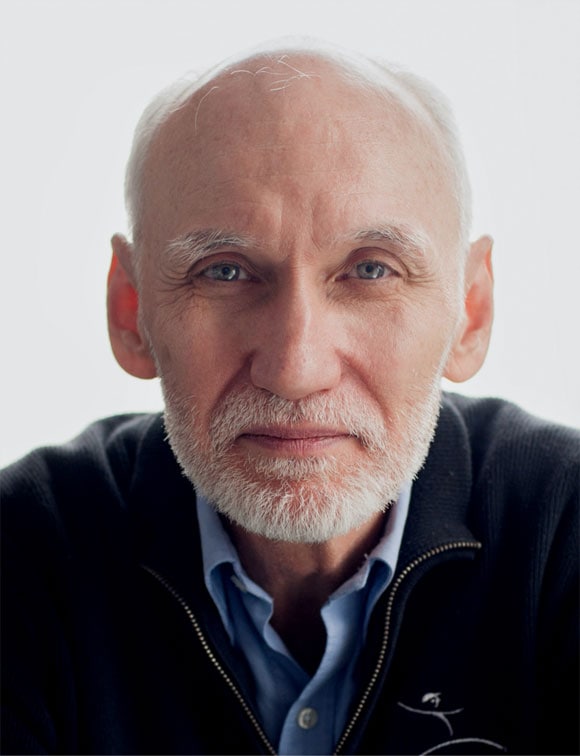
John Shook spent eleven years with Toyota in Japan and the U.S., where he helped transfer the Toyota Production System globally. He later served as President of the Lean Enterprise Institute and Chairman of the Lean Global Network.
John is the co-author of the award-winning books Learning to See and Managing to Learn, and wrote the foreword to my book Learning to Lead, Leading to Learn. As an industrial anthropologist, he brings a perspective that connects culture, systems, and practice to bridge deep thinking with real-world application.
Reflect and Take Action
Are you more of a mechanic or a social worker?
In leading sociotechnical change — whether that’s a lean transformation or working to embed empowered problem-solving in your organization — most of us naturally lean more toward one side or the other.
Some of us come from more of the mechanic side — the technical problem-solving, the structure, the rigor.
Others lean more toward the social side — the relationships, the mindset shifts, and the below-the-surface work that influences whether change actually sticks.
Knowing where you come from helps you see where you may need to grow. It can help you recognize both your strengths and your blind spots.
If you lean more toward the mechanic side, where might you be missing more of the human and social dimensions in leading change?
If you lean more toward the social side, where might you need more structural discipline or technical rigor so your work can travel beyond one relationship, one conversation, or one team?
So as you think about the work ahead of you this week, consider:
Where do you naturally lean — and where might you need to grow to be more impactful?
Important Links:
- Full episode show notes
- Connect with John Shook
- Follow me on LinkedIn
- Subscribe to my newsletter
- Check out my website for resources and working together
- Join us on the Japan Leadership Experience
- Purchase a copy of, “Learning to Lead, Leading to Learn”
- Episode 73 | Small Steps, Leading with Heart: How Transformation Sustains with Richard Koch
- Episode 74 | Has Lean Really Failed? — Or Are We Asking the Wrong Question? with John Shook (Part 1 of 3)
- John shook’s toast at the, “Learning to Lead, Leading to Learn,” book launch: youtube.com/watch
Listen Now to Chain of Learning
Listen now on your favorite podcast players such as Apple Podcasts, Spotify, and Audible. You can also listen to the audio of this episode on YouTube.
Timestamps
03:04 – Why changing culture is harder than copying systems
04:05 – John’s question that still drives him: Why Toyota?
05:10 – How John found his way into Toyota and NUMMI
06:15 – Why Toyota endured while other Japanese companies faded
07:10 – Short-term leaders vs. long-term system builders
08:15 – The crisis that shaped Toyota’s future direction
09:10 – Building systems that outlast the founder
10:05 – John’s experience learning from very different Toyota leaders
11:15 – Why conflicting feedback accelerated John’s learning
12:10 – Bringing your own thinking into the A3 process
13:15 – Different cultures inside Toyota and how they shaped leadership
14:10 – Mr. Cho’s powerful way of teaching through stories
15:15 – Why stories often teach better than answers
16:10 – Katie’s lion story and breaking the telling habit
17:15 – Adapting your leadership approach to the situation
18:10 – Thinking about the final words you leave behind
19:15 – Reading both the technical and social sides of change
20:20 – TPS as a way to expose weaknesses and accelerate growth
21:45 – Are you a lean mechanic or a lean social worker?
22:50 – Identifying your leadership bias and growth edge
24:05 – Why process improvement and OD teams should work together
26:20 – Why Yoshino wasn’t a “typical” Toyota manager
27:10 – Scientific thinking, humanism, and ethics in Toyota leadership
28:55 – Eliminating waste as more than a technical exercise
30:05 – Mottainai and the deeper meaning of waste
32:25 – Why lean tools were always socio-technical
33:40 – Kanban, standardized work, and the human side of lean
35:10 – The A3 as more than a problem-solving tool
36:10 – When lean tools take on a life of their own
37:35 – The most common failure mode in lean transformations
38:30 – When lean becomes the goal instead of the means
39:30 – Why lean isn’t just for executives
40:35 – Improving work at every level of the organization
41:40 – Why empowerment without support falls apart
42:20 – The Andon system as a model for real support
43:45 – Where do you need to grow: technical or human?
Full Episode Transcript
John: [00:00:00] Again, the boss that I, I, I still look to as such an inspiration, Mr. Cho, uh, he was our big boss. So my direct boss was Mr. Oba, and his boss was Mr. Cho. But every week, and I think it was Monday morning, Mr. Cho, before he would go to the Georgetown, the, the factory, the plant, he would stop by and spend a couple hours with us, just the three of us, Mr.
Oba, Mr. Cho, and me. One of the things he would do, an example of not leading by just giving an answer, directing, and he was, he was just amazing at it. We would lay out a certain scenario at a certain company we’re working with, or maybe it’s how we’re thinking about developing internal staff, and what he would invariably do would be to listen intently and then look up at the ceiling and think of a story of when he learned the lesson that we needed to learn, and he would never make himself the hero of the story.
Katie: Welcome to Chain of Learning, where the links of leadership and learning unite. This is your connection for actionable strategies and practices to empower you to build a people-centered learning culture, [00:01:00] get results, and expand your impact so that you and your team can leave a lasting legacy. I’m your host and fellow learning enthusiast, Katie Anderson.
You can read all you want about the technical aspects of Lean and the Toyota Production System, but there’s something about real lived experience, the stories from inside the rooms where it happened, even inside the broom closets, which John Shook wrote about in the forward to my book, “Learning to Lead, Leading to Learn,” that resonates in a completely different way, and that’s what makes this episode especially special.
This is part two of my three-part conversation with John Shook, and if you haven’t listened to part one, episode 74, go back and start there. John is one of the most influential thought leaders and practitioners in the Lean Global community. He was the first non-Japanese employee of Toyota Motor Corporation, working alongside the subject of my book, Mr.
Isao Yoshino, for many years, leading the training program for the NUMMI joint venture between GM and [00:02:00] Toyota. He’s also a former president of the Lean Enterprise Institute and former chairman of the Lean Global Network. And John brings the lens of a social anthropologist to everything he does, understanding how organizations and people actually work, not just how we think they should.
In this episode, John shares personal stories and behind-the-scenes insights from his time inside Toyota that many of you probably haven’t heard before. We talk about the people who actually built Toyota’s culture, what John learned from his many bosses at Toyota, including Isao Yoshino, and a reframe of the Lean Tools debate that I think will really resonate.
We pick up our conversation where episode 74 left off. Let’s dive into part two. To change the culture, you can only create the conditions and model the way and hope that that enables people to make a different choice.
John: The, in that case, the case of NUMMI, we were able to build the systems kind of from scratch.
There was a lot we weren’t able to do to just put in place [00:03:00] Uh, you still had a lot to do to change, you know, work on, you know, in terms of mindsets and culture, which just shows how overwhelmingly difficult it is in most situations, where you’re not, you’re not, you’re not given the, the, the circumstances we were given in that case, which would be very hard to, to replicate.
You know, a, a related thing that I’ve, that I recognize again years, years later, I think in speaking with you, I’m sure Mr. Yoshino has talked about Mr. Cho, and I do a lot as well. So Mr. Cho has been kinda my idealized, you know, archetypical, you know, lean leader, you know, forever, and I spent a lot of time over the years, you know, talking about him and his behavior, which I still would, you know, would find, uh, exemplary.
But I also realize what we talked about a minute ago, that, that… Well, it’s a couple of things. One is whatever company I may be, you know, working with then and leader I’m talking with, Mr. Cho is not gonna come walking through that door. Even if he did, I, I realized, you know, probably too late, I don’t know, what, 10 years ago or so, that he was able to lead in the way [00:04:00] he did because of the circumstance within which he was working.
He was supported by the infrastructure, supported by the people there, supported by the systems. So one of the things that happened, one of the things I’ve oft- I’ve often s- I’ve spent a lot of time thinking about over the years, um, is why Toyota? So if we can say that Toyota’s, you know, pretty exemplary, and most of the aspects of what makes it exemplary are things we can describe pretty easily, and most people would, would say, “Yeah.
Yes, I want that.” “Gi- give me that.” Th- then why that company? And I’ll, you know, I’ll make the statement that company only, uh, recognizing someone could easily push back on that. It’s not only Toyota, but, but why Toyota and not, and not other companies that we can name, that we can, that we could think about, including in Japan?
In the earliest days, it was like this was a Japanese thing. That’s what took me J- to Japan in 1970s. It was Japanese management. And Japanese management became well-known, and I read the books at that time [00:05:00] and said, “This is great. I’m gonna go learn about it.” And I set about learning the language and went…
then went to Japan. And by the time I had finished, you know, studying this and studying that, and was, uh, I thought, ready, it was 1983, and I went to Japan to look for the, you know, to try to, to work for the biggest, most Japanese company I could find. And then I got there and found out that that wasn’t gonna be easy ’cause they weren’t, they didn’t hire people like me.
And then by coincidence then, uh, Toyota had decided to do NUMMI. What didn’t have a name yet. They had decided to do a joint venture with General Motors of California. They formed the, the, there were there working groups everywhere already when I arrived there, uh, including the one that Mr. Yoshino put together in training and development.
And so that’s what I was able to walk into. And since then, s- you know, you spend years trying to understand why that company. Why not Nissan? The contrast between a Toyota and Nissan could not be greater. I read something the other [00:06:00] day, I don’t, I haven’t been able to follow up on the facts, but it said that in the 1980, mid-1980s, of the top 50 companies in the world in terms of sales, 33 of them were Japanese.
Today there’s one in the top 50, and you can guess which one that is. Well, two, two things that are, that are remarkable there. One is what happened to the other 32, and the fact that one of them is Toyota, and that’s just, it’s just… So what is going on there and why there? Uh, you know, you could, you know, in their books, you know, the Nissan is the more cosmopolitan company, is in Tokyo, and they, we have differently this and that.
Katie: Yoshino called them city slickers.
John: City sli- Well, that’s fine, but they’re… That’s right, but right next door to Toyota there’s Mitsubishi Automotive is right ne- Yeah. Mitsubishi Automotive is actually in Mr. Yoshino’s hometown.
Katie: Yes. Yeah.
John: It’s right there. So why is that so different? There are no city slickers there.
So- Hmm … what is it c- that you can point to? And, you know, and, and historical happenstance is an, is an amazing thing. But one thing I, I, I can say that I, that I as you try to peel [00:07:00] back the layers of the onion to get, to get some of these core questions, one of the things that happens is a lot of companies we know, or Western companies, is back to the idea of the CEO.
The C- Here’s another thing about CEOs, they’re usually short-timers. They’re only there for a while, and they know that. Everybody knows that. They’re there, and while they’re there they need to impact change. So they bring in… And, and, and the, the, the, the ego tends to really become a big factor here, and it tends to be people with bigger egos that tend to get promoted because they’re pushing themselves, and so they get to this, uh, this, this situation, and they believe they’re p- supposed to put their stamp on things.
And I get it. In fact, the board of directors tells them that’s what they want. Um, and their instincts tell them that’s what they should do. So what happened in Toyota’s case is that didn’t happen. I, I, I point to 1950 as, as, as kind of the, you know, the big bang. It went, the Toyota that we know of as Toyota really, really started to gel, and that’s the year that Toyota got in all kinds of trouble [00:08:00] financially, it was forced to split into two different companies, and they had labor strikes and the workforce was unhappy, happy.
And the f- founder of the company famously resigned. Asked to resign or resigned, there’s some debate there. The board asked him to resign. Is that ’cause he wanted to anyway? Anywho, he, he, he, he’s gone. And then there were some other people that were left to pick up, you know, and, and take the company to the next level, and the key figure there is Eiji Toyoda.
Not to make this into a history l- lesson about Toyota, but, but the key figure is Eiji, and he’s the one that really, he was the guiding hand, I think Mr. Yoshino or M- or Mr. Cho would agree with this, for decades. And what he said was, “We’re not, I’m not gonna change direction. We’re gonna follow this direction, and our challenge is how to implement, how to e- establish, to embody the vision that our founder left behind.”
And what happened then is you can look at all the people that followed. A famous Taiichi Ohno in, in, uh, production Uh, [00:09:00] equally impactful in product development of Kenji Nakamura. Equ- equally impress… You know, dynamic, amazing figure. Uh, in sales, uh, with, with Kamiya, Sotoro Kamiya also a, you know, a, a, a dynamic figure, a driving figure.
And then you had Eiji pulling all this together and make it work, and many other people that came along afterwards. What happened is you had system builders that came along to build systems to enable the organization to work to fulfill this dream that the, the, the person who came up with it isn’t even around anymore.
And so before you get to points of, of crisis in the company many, many years later, bigger points of crisis. Now, for example, when Mr. Cho became the leader of the organization, you had this many years of building up this, this organization where everyone has a common mindset of, of, uh, how to work, and then you have people who could lead the way, let’s say Mr.
Yoshino did, uh, the way Mr. Cho did. But alongside them, I should say, there are other people that weren’t leading that way. One, one great, uh, [00:10:00] opportunity I had, so I had ano- I had a diverse set of leaders in my 10, 11 years there, and, and not all who would follow that, that way of leading at all. And my first…
So in, in the beginning, I really had two, uh, like bosses, Mr. Yoshino and someone named Ken Kunihiro. And so I had kind of co-bosses. My, my direct boss was Ken Kunihiro, and thank you. He… I referenced him in the, um, in, in, in, in the introduction to the, to, to that book.
Katie: Yeah. Managing to Learn, for those of you.
Yeah. They were the, the model for Anderson, right? Yoshino and Canada.
John: They were the model for. You’re right. It was… Sanders was very much a mix, actually, of the two. The reality of the two is that Mr. Yoshino led in the way you describe in your book, whereas Ken Kunihiro… And, and, and, and, and Mr. Yoshino would tell you that he’s not a typical Toyota manager, right?
Katie: Yeah, no, he, yeah.
John: He acknowledges that. “I’m not the typical,” you know. And he’s, and he’s not. Ken Kunihiro was like he was from central casting. It was like he was stamped out of, “Okay, here’s the Toyota standard person, [00:11:00] standard leader.” And so it was great for me. I w- So, so, so Ken Kunihiro taught me just, you know, hand to hand every little thing about how to work in the, in the, in the company, and it was great because he was standard issued Toyota, Toyota man, as they say.
And so that contrast of, of styles was something I was able to benefit from. It was often confusing. Um, you know, the book Managing to Learn, I talk about, you know, the A3 process, and I think I mention… Well, I’ve talked about this anyway, that when I was doing my first A3’s, you know, Ken Kunihiro would often give me the, the, the first feedback, and Mr.
Yoshino would, and they would say opposite things. They’d say absolutely opposite things. You know, so my head would be spinning, you know, what, what to do. And it was years later that I, that I was able to appreciate that because that forces you… There, there’s another person I introduce in the introduction of that book named Mike Masaki Who was, who was the president of Toyota Technical Center USA, so product development engineering center in Ann Arbor that I worked for years later.[00:12:00]
And he really emphasized how in an A3, doesn’t matter if it’s an A3, it could just be the, you know, you could be talking thin air. You do have to put in your, your idea, your, your wisdom. You have to bring that to the table. Say, “Here’s what I believe and I want to do,” at the end of the day, at the end of the A3, not as you’re putting it together, not as you put- pulling a project together.
But at the end, you, you, you have to do that. So getting these conflicting advice , uh, kind of forced me to do that. You know, what do I think I need to do here? Because they would say opposite things, which I learned after was some frustration, was a good thing.
Katie: I, I, I love that story. So many, so many more questions, but you were talking about your other, some other bosses that you had.
So st- the first two were Ken Kinuta and Isao Yoshino together, and then how did that progress in your learning journey?
John: Uh, so I was in Toyota City for five years, and Mr. Yoshino was there for the first two and a h- about two and a half years of that, something like that. Uh, then there was another leader who came in and who was very, very, very, uh, [00:13:00] different.
I’ll say very harsh. And from there, I ended up going to Tokyo, which is, which was the home of the Toyota Motor Sales organization previously. They were now, uh, had merged, and that’s an organization Mr. Yoshino talks a, a lot about, as having a very different working style, very different culture, and it, and it did.
So that environment was very different, and then working f- in the engineering organization in Michigan. And then finally TSSC, the Toyota Supplier Support Center, uh, where you have the, uh, which is a more directly TPS. I mean, that, that is the, the, the advanced troops for installing TPS in, in operations, uh, everywhere.
So the leadership varied from one to the other, but through that, um, again, the boss that I, I, I, I, I still look to as such an inspiration, Mr. Cho, uh, he was our big boss. So my direct boss was Mr. Oba, and his boss was Mr. Cho. And every Monday morning, it was Monday morning, Mr. Cho, before he would go to the Georgetown, the, the factory, the plant, he would stop [00:14:00] by and spend a couple of hours with us, just the three of us, Mr.
Oba, Mr. Cho, and me. And, and he loved it because he had to go deal with all these headaches at, at the Georgetown plant, whereas with us, um, he was talking about his, his, you know, passion, which is TPS and how to introduce TPS to different organ- organizations, and the wisdom that he would, you know, impart as we were talking about these things.
One of the things he would do, an example of not leading by just giving an answer or directing, and he was, he was just amazing at it. But what he would often do, we would, we would, we would lay out a certain scenario at a certain company we’re working with or maybe it’s how we’re thinking about developing internal staff.
And what he would invariably do would be to listen intently and then look up at the ceiling and think of a story of when he learned the lesson that we needed to learn And he would never make himself the hero of the story. You know, you, you see all these kind of, I don’t know, whatever, want to be senseis who love to go to companies and, and, [00:15:00] and give this, like, insightful question that just made everybody fall on the floor and recognize, you know, light bulbs go off and, and I ask them, “Okay, why do you have this much inventory?
You don’t need it.” And everybody said, “Oh, my gosh, you’re right.” He would never make himself the he- He would talk about when someone did that to him. A- and after a while, you realize that’s, that’s what he’s doing, that he’s telling a story. So he’s thinking about what… how we need to learn it. So when we’re working with people, I think thinking back to how w- whatever it is that they’re saying and we think we have a deeper insight, something they need to learn, how do we learn that?
And it’s not that easy to identify, by the way, how we’ve learned all the lessons that, that, that we’ve learned, because a lot of it just seeps in over the years. It’s an amalgamation of many different lessons. But peeling that away to find out and ask why do I think the way I do, what’s the source of the, of my, my beliefs, uh, but then go back to those, those stories and try to, to unpack them and then share those is a great thing to do, and it’s a, it’s a good challenge for ourselves.
Whether we’re, you know, in, [00:16:00] in a, in a position of direct responsibility, so manager as coach, or we’re an outside coach, it’s a great, uh, skill, I think, and a practice to incorporate.
Katie: 100%, and the times that when I’ve connected the most with people is sharing my own ahas and, and some of those failure moments as well, right?
Like, talk about, like, my lion story. And actually that was w- when Margie Hagany, who, you know, you’re… This is my direct lineage of my Chain of Learning from Mr. Yoshino to you to Margie to me, and I guess we’re all interlink- linked now. But Margie gave me important feedback and held up the mirror to me and, and really gave me some help, helped me see some things, and has been the foundation of how I talk about how we need to break the telling habit and get out of the doer trap and all these things.
But it’s my own moment, and so many people come up to me and say, “I’m the lion too.” I have the story where I talk about being the lion, and I think that’s, it’s, those are those moments that really connect the most than just telling someone, you know, “Here’s the answer.” But that emotional I’ve been on that journey too is so powerful.[00:17:00]
John: So, so I will say also there’s another skill that we can learn that I never mastered, uh, really. I tried. How to show up in different ways in different situations. There are times when being, let’s say, more directive and to go into teaching mode is called for. There are times when people are just, just, just flailing and panicking and they, they need some help.
Depending on the level, uh, in the organization of what they can impact, um, and where they are in their learning journey. So how to now kinda navigate that scale, which again, I thought Mr. Cho, I, I, I saw him do this so many times, where he could navigate that just seamlessly it seemed. So, so sometimes we’re more teacher, uh, sometimes we’re more, you know, like, like, like Socratic coach or, or, or consultive coach.
Other times we’re more of a teacher coach But it depends so much on our role. It’s, it’s a dangerous thing to be talking about this without recognizing that it, it so much depend on when you show up at a company, in what role are you there? So when we get a lot of these questions, such as we’re discussing today, it might [00:18:00] vary.
If I’m, if I’m, if I’m a VP operations and I’m visiting 20 work sites in the course of every month, and I’m gonna be back next month, that’s one thing, and I own the, ultimately, you know, the, the results coming out of that organization. That’s one situation. Another is if we’re an outside coach, especially the role that I started having starting, I don’t know, fif- I don’t know, some years ago.
I will often visit an organization, and I’m never gonna see those people again. So that, I think, has to inform the way I’m going to interact and what I’m gonna say. And often in those situations, I’m often thinking about what are the final words that I’m gonna say when I depart. That becomes kind of like the, the, the penultimate of the whole thing.
It might be in the parking lot with the person who invited me and just two of us standing at my car as I’m gonna drive away, or it may be in a room with, you know, 12 people. Okay, now, you know, great coach, tell us, impart your wisdom. But the [00:19:00] last thing you say, so the throughout the entire day, I’m thinking about, I’m thinking about that moment.
What is the thing that I need to leave with them? And I won’t decide until that last minute ’cause I’m, until then I’m gathering information. I’m learning about the technical problems, the business problems, mechanically what’s going on, but then also organizationally, socially, what’s going on, and somehow you try to put that…
And then there’s the, the, the, there’s usually a key individual maybe, or two. So what would be useful? What could you say that might, that might be useful to that individual, or those two, those small, that small number of individuals?
Katie: We’re gonna come back to that question at the end, uh, of our conversation here for the podcast and, and leave with your final word for the audience, too.
So be thinking. Uh, I’ve seen you in action, though, John. You know, you have your slide deck, then you’re pulling everything together at the, the conference ’cause, because you’re paying attention to everything. You have your deck of, like, 500 slides, and then you pull them into the final message you want to say.
John: That’s right. I do that at the consternation of some conference holders. But in the real, in real world [00:20:00] and in real life, I, I think, at least I think it’s a good thing to do that on the fly. So but in your head, basically, making notes as you, as you walk around, doing a Gemba walk, if, if you will. Then, um, you’re putting things together.
And it’s easy enough to walk in to see… Again, things are always amiss. Things are always everywhere amiss. And so trying to unpack that, unpack both the, the, the pure mechanical technical work side, and then also the social managerial side of it. You got, you got to try to see both of those in the course, uh, of a visit.
Which back to the notion of how we, we all, you know, navigating what mode to be in when, when we, we do a visit ’cause we all have tendencies. We all have strong points, strengths- And we all have weaknesses. In fact, there’s another, my, probably my last coaching session with Mr. Cho was probably about 10 years ago or so, because I used to always try to visit him when I’d visit Japan, maybe a little more than 10 years ago.
And one of the things he shared at that time was the [00:21:00] whole point of TPS with the house and two pillars and all that, is to expose our weaknesses. Not to do it, not to implement what’s there. Yes, you do that, but you do that to expose weaknesses. And he connected it to, to learning martial arts. The martial arts, you have, you have a kata, right, that you learn.
He was a Kendo guy, and he said, “What you’re trying to do is learn your weaknesses so you can address those. So you can address what your weaknesses are.” So as a coach, as coaches or managers or leaders or um, I think we have that same challenge, which is to identify our tendencies, our character, because we’re not all going to be…
I’m not Art Byrne for, as, as one example. That, that’s not going to be me. There are times, though, when that’s going to be really effective, uh, the way Art can walk in and, and work with a, with an organization. And, and what I’ve recognized, you know, with a lot of people that are out there in this community, there, there’s…
I’m gonna s- o- again, over- overstate it a little bit. There are two camps. There are lean mechanics and lean social workers. So to everyone listening today, I’ll [00:22:00] say, ask yourself, which are you? And I’m not, I’m gonna say, you can’t say the perfect blend of both, because you’re not. You’re, you’re, you’re, you’re mainly one or the other.
And you may be, and you’re probably, I’ll just say this, extremely one or the other. You’re more of a social worker or you’re a mechanic. Now, so just identifying this, like a Myers-Briggs thing I suppose. I don’t know. A- anyway, something where you could identify who you are and again, start trying to add some of those other pieces.
I know, I know, I know a guy that is a fantastic… He’s doing a fantastic job of this. He’s an engineer, an engineer’s engineer. I mean, that’s just the, the… He could see amazing things from an engineering standpoint. Uh, went to, uh, went to, uh, engi… You know, got a degree in engineering at Duke, ran a machining company.
Uh, encountered, uh, TPS, uh, many, many years ago, and then began, you know, said, “I want this…” He’s one of those people we talked about, that he said, “This becomes my life. This changed my life, and I want to help other people, uh, change their lives as well.” And he recognized, though, that, that he [00:23:00] had whatever weakness or a blind spot on the people side, and he began to address that as an, as, as an engineering project.
And began learning and learning and, and, and I think that’s something we, that, that it could behoove all of us to try to do more of. Are you a social worker? Are you a mechanic? And I’m gonna say, “No, you’re not both. You’re one or the other.” So, so how can, so how, how can you, how can you identify those weaknesses and address them?
People… Some people don’t like the word weaknesses. Maybe that gives, you know, sounds negative. Uh, whatever you want to call it. You know, you know, areas of betterment. Growth. Yeah. What, what, what could you do to try to become, you know, you know, stronger, more well-rounded?
Katie: Oh, we’ve always talked, you know, John, and you may use this word a lot, too, that, you know, it’s a sociotechnical system.
We have the social side and the technical side, and if you have one without the other, it’s not… We’re not gonna be able to truly lead or influence this type of change. So where, where do you need to grow to be [00:24:00] able to truly be impactful on this and recognize where your, your natural tendency is, and then how do you grow into it so that maybe ultimately you are more in the center, but not your, it’s not where you started?
John: Uh, right. It’s kind of back to one of the, what has emerged as kind of a theme of the day. Personal versus kind of a more organizational abstract. So sociotechnical theory, it’s out there, it’s great, it makes sense. Easy sense, really. No, I don’t… You can’t exactly deny it. Uh, but it’s easy to kind of leave it there as an abstraction or as a almost an, an academic sort of thing.
But if you think in terms of, okay, look in the mirror . Are you a social worker or are you a techno mechanic? One of the things, Katie, I’ve always tried to do, with only very limited success, especially in healthcare organizations. As you know, healthcare organizations often have, they have continuous improvement or process improvement, you know, groups, and they also have an organizational development group, and they don’t merge those.
They should merge those. They should not be allowed to be separate. And at the very least, I’ve known a few that would, [00:25:00] that, that I’ve known a couple that have tried to do that, put them together. I’ve known others that said, okay, whenever they go out, they’ll have a process improvement specialist and an OD specialist go together.
It’s kind of like co- co… What do they call that? Dual programming, co-programming? Uh, in, in, uh, in, in agile where you have two people studying and programming together. So having people to go together, that way they can, they can, they… You have the complementary skills coming to the table, but also each individual gets a chance to learn from the, from the other side.
I’ve had, I’ve, I’ve, I’ve been able to convince a few organizations to give that a try, but not, not nearly enough.
Katie: We did that to a degree when, this is now like a decade and a half ago, at Stanford Children’s when I was there, because we d- we recognized the same thing. You, you fundamentally cannot have them separated if you’re gonna be successful.
So I don’t know where that’s la- totally landed, but I know it’s a little bit more merged than it was at least when we started. I don’t know. I don’t know. Yeah. Yeah, I know. You’ve been, you’ve been out there too . Yeah. A
John: bit of smoke.
Katie: Yeah. Have you not-
John: We could have someone chime in and,
Katie: and- All right.
Stanford folks, reach [00:26:00] out, let us know . Um, you know, John, I’m curious to go back. You made the comment, and I have insights from working with, you know, Mr. Yoshino for now 11 years, but you had, you, you experienced working directly with him, and you made the comment that he, you know, he’s not your typical Toyota manager, and I, I think a lot of people would be kind of curious to hear from you, like, what leads you to say that?
Like, how, how is he not? ‘Cause there… People are so inspired by, “Learning to Lead, Leading to Learn,” how he shows up as a manager. So what, what is that difference from your experience?
John: Well, I think to, to see what he is, and I’ll go back to the Mr. Cho example as well Is, is described in your book. I mean, I think that’s a great job, Katie, I think of describing, you know, who, who he is.
J-just, just recognize that not everyone in that organization sh- shows up in the way that you described. If I think of one of the common elements, a, a, an amalgamated Toyota mindset, one thing that’s talked a lot about nowadays is scientific thinking, and so I… there’s a lot of emphasis on that within Toyota and within [00:27:00] developing people with a scientific mindset, the scientific thinking.
I think if we only stay there, we end up again with just, just, just half of the puzzle again, just like with techno, mechanical and social, or even thinking back to 100, 120 years ago, scientific management. This became something ultimately that wasn’t very scientific really at all. We want… do want to manage scientifically.
But I think it’s always ba- balanced with, uh, uh, there’s another tradition of, of, uh, of human thinking called humanism, and I think humanism is equally present, balancing scientific thinking and call it humanistic thinking, if you will. And I think there’s another as, as well. I think there’s an es- Here’s another thing, too.
So if science is basically agnostic, and I, I don’t mean that in a religious sense, but in the sense of having points of view. It has… Well, it has some points of view, but it’s mainly it’s agnostic. It’s just wherever the facts lead us to. It does believe in facts. Lean thinking or Toyota thinking is not agnostic.
It, it, there are ethics there. There, there’s a, a sense of right and wrong. There’s direction [00:28:00] that’s part of what they’re trying to accomplish. So in addition to, you know, a scientific mindset, humanist mindset, I think there’s an aesthetic and an ethics that’s part of it as well that, that, that’s critical.
And I think usually in most Toyota leaders, you’re gonna find those things present in different, but in different quantities, like some are definitely more scientific, technical, more mechanics there. In some parts of the company, more social workers in another part. But this notion then of, of trying to do what’s right, um, and always focusing on doing what’s right and letting that guide decision is something I’m gonna say that, that is almost always present, and it’s, it’s an admirable thing.
I think when you talk to a lot of people that have worked at that company that admire it when they’re there or later, that’s the standout thing. So, so even something as, as, um, I wouldn’t say mundane, but s-something… Eliminating waste, [00:29:00] which again, 30 years ago if you asked someone what’s lean, they would, they would probably say eliminating waste.
You ask someone now what’s lean, that may not be the first thing they say. They might say, say it along the way, but it is part of it. Okay? Eliminating waste. And the thing is, you can, you can approach eliminating waste in a purely, let’s say, mechanical way And we can go identify the seven wastes out there in the plant.
You can add them up, you know, and you can calculate what they’re worth or, or just say, “Okay, we’re gonna eliminate them one by one.” You can do that and you, and you, and you can teach sev- the seven ways that way. But what I think informed that at, at, at, uh, Toyota, and I think lean thinking embraces this, is, okay, I use the J…
I try not to talk about language. I try not to use many Japanese terms. Said that a very long time ago. Well, from the very beginning. At NUMMI or Georgetown, we tried… We said, “The default is to use no Japanese term. For some of them we have to.” So jidoka, heijunka, gemba, kaizen, you know, let’s try to make the, the number as few as possible.[00:30:00]
Um, and sometimes it seems like that number’s cr- kinda keeps creeping up sometimes. But there is one that I think maybe you even encountered over the years. It’s not really a, a, a lean term, not usually thought of as a lean term, but it’s a term that people who study Japanese culture sometimes pick up on, which is called mottainai.
Katie: Mm-hmm.
John: Deep regret for waste. Yes. Regretful wastefulness. That captures something, so that waste is not just a mechanical failure to have, you know, not designed the job well. It’s, it’s a moral failure. It’s, it’s regretful that that happened, and that’s a term and that’s a feeling, a sense that I think that any Japanese person would have.
Um, and then is part of what we think of, or I think of when I think a lean sensibility. Now, scientific thinking is not gonna be opposed to that, not opposed to the idea of eliminating waste, but there’s something in ad- in addition to a purely scientific view I’m j- I’m g- I’m, I think, [00:31:00] that lends itself to making a sort of an ethical judgment there.
Not, not even, you know, the, the, the idea of humanism wouldn’t necessarily go there. But I think you find that throughout, uh, CPS, Toyota Way, lean thinking, and lean thinking in practice, and lean and lean systems.
Katie: Intrigued. I mean, that’s one of the things, so, you know, I t- I about to launch my ninth cohort of global leaders who’ve come to Japan with me and Mr.
Yoshino and, you know, it’s not just a Toyota thing. I mean, uh, but also you said it’s not just a Japanese thing either, but there’s something… You touch on something really profound there, John, that, that I- I think has often been missing in sort of how we’ve taken more of the technical side of lean and TPS is that we, we, we’ve missed that ethical, the deep regret or the, the connection to humanism.
You know, there’s the concept in, you know, Ja- you know, Japanese business management from years a- for dec- decades, last centuries, two centuries ago, like Sanpō Yoshi, like goodness for the company, for the customer, [00:32:00] for the community, and now, like, they’re saying Yonpō Yoshi, which is, you know, for the, for the future too.
But like there’s something really deeply grounded in ethics around it, and I think it is directional, right? And so it’s not in this, just this abstract way and it’s something about… And do the right thing, going back to the foundation of Confucius and other elements within Japan. I, I feel like that is a pervasive spirit.
Now, not across all Japanese companies, so, you know, it… That’s something we always have to encounter, but there’s something deep there.
John: But yeah, but about Toyota, what they did, and here’s where, okay, I’m gonna, I’m gonna kind of attack the attack on tools for a minute. Yeah, please. Let’s go there. So what’s happened at Toyota is decades of identifying ways, means, processes by which these things come to life.
So the attack on lean tools invariably is interpreting the, quote, “lean tools” in a purely technical way, the technical side of the lean tools. [00:33:00] But every one of those famous lean tools has a deeper and a social purpose as well. Every single one of them. So what they are, I’m gonna suggest, uh, uh… In fact, again, I’ll just go out on a limb and say this, the only company that has d- developed a set of sociotechnical tools, down and dirty, at the gemba, at the place of work.
This isn’t sociotechnical theorists coming in and, and p- you know, working with o- uh, organization development people to, to, to, to theorize about this. This is in the pr- in the course of doing value-creating work, where you’re getting in and out of a Corolla 500 times a day and things are going wrong, how you can develop tools that embody these principles.
The technical side of them is, is, is, is beautifully designed. They’re beautifully designed to embody also the so- the social side of the way work takes place. So when people, uh, say, “Oh, we made a mistake in lean, about thinking lean was all about the tools,” well, the first mistake was mistaking the lean tools as being purely technical when they’re actually sociotechnical.[00:34:00]
And if we introduce them in a sociotechnical way, those problems people are talking about will not occur. They have the, the direction that we want embedded in them if we dedicate the time and attention to learn those aspects of what those tools are. Kanban is connection, for crying out loud. It’s connecting operations and people.
Standardized work is, is, is an individual. It is how they spend their eight hours a day. Uh, every single one of the tools that people, again, n- now like to, to denigrate, I think- Uh, has the social side to it. And so the culture that we want, and people will actually say, “Develop the culture first and then the tools.”
It makes no sense. You cannot just develop the culture out of, out of, out of thin air. We have to have ways by which we go about building that culture. And a sincere, dedicated, diligent study of the s- of those tools will reveal that the culture that we desire is embodied within them. You cannot [00:35:00] bring those to bear to a work situation faithfully without that being true.
Now, the A3 that’s in the book, that, that’s the one that’s just… So, uh, so all the lean tools I like to say are, are deceptively simple. You name your favorite lean tool, it seems like just what could be more simple than that? And no, there’s a lot more there. It’s easy to see. But, but nothing is more, is, is, is simpler…
Sorry, I’m looking around for a piece of paper. Nothing is, is more deceptively simpler than the A3, ’cause there’s nothing but a blank sheet of paper. So quite literally, it will be only what you make of it. So if you make of it, you know, a check the box exercise, it will be a check the box exercise. If you tap into it in other ways so that it can be for you what, you know, what, what it, what it has the potential for, then that’s what w- it will be as well.
It’s just like lean overall. It will go as deep as you want to go, as you go with it. If you want to work with it on a highly superficial level, eliminate some waste, reduce some cost, you know, it’ll, it’ll actually do that, you know, p- you know, pretty well, I mean, for a [00:36:00] time. And, and may- and maybe more if you just at least stick with that part of it.
But if you go deeper and deep, it will go as deep as you want to get, as deep as, uh, humans can get during our 80 or so years here on this, your planet. That’s what I think.
Katie: I like the phrase, uh, hitori aruki that you shared with me last time about when something gets legs and walks on its own, and how that really is about what’s happened with so m- many lean tools as well.
Just kind of walked away on their own without the real deeper meaning and purpose.
John: So the, the, there’s a, there’s a Japanese phrase, hitori aruki. So hitori means one’s self, aruki means to walk. So something that walks on its own, by itself. It’s, it’s a common phrase, and I think when we were talking, Katie, it was in the context of the seven waste, was it?
Katie: Yeah. It was, uh, Ohno being regretful that he’d unleashed the seven wastes upon the world.
John: Yes. In his later years, Ohno expressed regret that he unle- had unleashed the seven wastes, the seven… And, and, and that they, it, it had taken on a life of its own, would be kind [00:37:00] of an English phrase for that. He, he, hitori aruki has taken on a life of its own.
And so it’s just out there, it is running everywhere, and people are saying, “Okay, we’re gonna have to go eliminate the seven wastes.” Uh, and at the same time, he also pointed out that, you know, there’s no, there’s no just seven wastes, there are countless types of wastes. And the point is to find ways to see them, uh, make it easy to see them, and then develop the, you know, the eyes to see them, and then the abilities to be able to eliminate them at the source so they don’t come back As often just attacking, you know, going out there and solving around those seven ways.
You take them away and then, then either that same ways comes back or something worse comes back later. So the same thing applies, if I could jump ahead to this, uh, I think to back to the questions of, uh, how we apply all this in, in the real world. I think in the same conversation we, we briefly discussed what I think is the, the most preeminent, prominent, most prevalent.
Prevalent is the best word. A failure mode. Again, it’s going back to kind of acknowledging that [00:38:00] there is value in thinking about why organizations, more organizations haven’t, you know, wholeheartedly adopted this. I think this concept applies to that question, which is you seek organization… And you can see it in, you can see it quickly, whether it’s looking at one work site or you’re meeting with a, you know, this executive team, that people start applying lean for its own sake, as if it’s the purpose.
And I think when that happens, we’re in trouble, and eventually the whole, the thing is gonna falter in a, in a, in a big way. So there, there’s a word for that called means-ends inversion or means-ends confusion, where what is a means to an end, which is bringing in lean thinking and practice to get to make things better for ourselves, for our company, for the world, for our communities, where that becomes the aim.
And when that happens, you know, trouble is ahead. We again need to focus it back onto what problem we’re trying to solve, [00:39:00] what objectives we have, what challenges we want to tackle. And that’s true no matter what level of the company that we’re talking about. And also on, like many of my, I don’t know, other people that do what I do, you, what you do as well, I know a lot of folks that do kinda what I do that say they don’t waste their time anymore unless you’re dealing with a CEO or an executive or C-suite, C-suite.
There’s no point ’cause we do know the problems that occur if there’s a misalignment between the executive suite and, and, and whoever’s trying to do this. We know that’s true. That’s another thing, another example, though, of something that’s accurate, but not necessarily helpful in, in my view. So in… So I don’t take that view.
I don’t care who it is that were to come to me and wants to explore how this thinking can help them do what it is they’re doing. If it’s the CEO, CEO has specific responsibilities, specific things they do, specific behaviors that they can change. Now they can think outside themselves and think, “Okay, the company needs to go do this,” which is what they often think with, uh, with a l- with a lean system.[00:40:00]
“This is something for someone else to do.” A lot of CEOs don’t think that this is their job to do this kind of thing, basically. It’s someone else’s. So they just wanna talk about how, “Okay, can I get the company doing this, could do this?” No, you can’t get the company doing this or doing this. It’s what you do, how you’re gonna do.
The thing is, that’s true whether it’s the CEO or it’s the janitor or it’s the receptionist. I don’t care And the way that someone is going to learn this, incorporate this, is the same regardless. Their impact on a large organization varies tremendously accordingly, but I think it doesn’t really matter.
So the type of conversation that I would want to have with someone actually doesn’t change much. Now, now again, the CEO, if they’re really looking at what they can do to try to take their organization from here to here, then sure, there are all sorts of strategic, uh, matters to, to, to deal with, and so that’s gonna drive the conversation.
But the same thing with the receptionist. I mean, receptionists deal with all kinds of crap all day long, every day. Um, and their work deserves to be improved just as much as anyone else’s work [00:41:00] needs to be improved, I think.
Katie: Well, it goes back to where we started, that it’s, it starts with each of us, right?
And we have to be the change and, and, and be empowered to solve problems and make impact where we are, you know? I think, like, Disney has a great example of that, of, like, empowered the front line to solve problems and make the right service decision for customers right there, and that actually has a tremendous impact on the whole customer experience, right?
And so how do we not hold on so tightly to decision-making above?
John: Well, okay. And, and not to push back on that idea, but to just add to it, we do need to think about what kind of decisions need to be made where at what level. Yeah, of course. Yeah. There may be good reasons. And then do we build in the systems?
It… So I know a lot of companies… So Disney’s, uh, you know, from what I know of Disney, it, it, it’s done a great job with things like that. You can imagine how that could make sense for all the, what they call them? At, uh, they call them-
Katie: They’re cast members. Cast member.
John: Cast member- Yeah … cast members, right? It makes a whole lot of sense in that context.
But we [00:42:00] often will say the same thing in other companies. We don’t give them either the skills at their level, but also put in the infrastructure, put in the structure to enable that to, to really, to, to bear, to bear fruit. And in that case, I think we’ve done, again, a terrible disservice to tell our people at the front lines, “Oh, you’re empowered,” uh, without giving them the means by which, a- and creating the environment, s- soft speak, but also the infrastructure, hard speak, to actually make that, to make that possible.
And there’s where, you know, I… The, the beauty of the Toyota fixed position stop system of the Andon is, is, is, we won’t… I, I won’t bore you with that story again today, but it’s just a, such a wonderful example of, of how this works or how it can work if we, uh, if we, you know, really sincerely go through the process of studying it and putting it in place.
Katie: Right. So I mean, the Andon, you can’t just say, “People, you know, make a signal when you need help,” and then if no help comes. It, it’s, it’s the full system of the, of the manager or the team mana- lead [00:43:00] coming out and to, to provide the help, right? It can’t just be like we’re saying, “Oh, now we have a culture of, you know, psychological safety,” or, “We’re, you know, empowering you to stop the line.”
Well, what’s the repercussion? What happens in the full system on that?
John: So, and so now, how to embody that thinking into every interaction with every person. So everyone who’s wondering, you know, how can I make my company lean, first of all, how can you make your, your area of control, your span of control, what can you do there?
And as you’re working through that, if you identify things that you need something from your, from above, okay, there you have a specific thing to go ask for, not simply, uh, complaints and condemnation of the, uh, the folks above who have their own problems.
Katie: Something John said in this episode really resonates with my experience and with conversations and the work I do with many transformational change leaders and change teams.
Are you a mechanic or a social worker? In leading sociotechnical change, whether that’s a lean transformation or [00:44:00] just working to embed empowered problem-solving in your organization, most of us have a natural bias towards one or the other. I’m curious, which do you think is mine? Of course, that’s not a problem.
It’s information. Knowing where we come from helps us know where we need to grow to. It’s where our growth edge is, and it can help us see both our strengths and maybe where our blind spots are. If you come from more of the mechanic side, the technical problem-solving, where are you missing more of the human and social dimensions in leading change, the relationships, the mindset shifts, the below-the-surface inner work that influences whether change actually sticks, which I talked about recently on episode seventy-three with Richard Koch.
If you lean towards more of the social worker side, consider where do you need to build more structural discipline, technical rigor that helps your work travel beyond one team, one relationship, or one conversation, structured problem-solving and insights. Know where you come [00:45:00] from so that you can be intentional about where you need to grow.
So reflect on this conversation, the stories, the insights, and think about the work ahead of you this week. Where do you come from, and where might you need to bring more of to be impactful? Where do you need to be more intentional about growing, the technical side or the human side? Both will help you be more effective in leading sociotechnical change.
We can’t leave either side behind. If you’re inspired by these stories that John and I shared here on this episode and wanna create your own behind-the-scenes stories to share, your own lived experiences of these people-centered learning cultures in Japan with me and Mr. Yoshino, I invite you to join me on my next Japan Leadership Experience.
It’s an immersive leadership development program, not just a trip. If you wanna drop All of your learning from the head to the heart, this experience will accelerate your impact in no other way. [00:46:00] You’ll live and breathe these principles in the places they’re born through reflection, immersive learning, and conversations with me, Mr.
Yoshino, other Japanese leaders, and your cohort of global leaders. You can learn more and apply at kbjanderson.com/japantrip. The link is also in the show notes. And I invite you to go behind the scenes for another special moment with John Shook, me, and Isao Yoshino. “Learning to Lead, Leading to Learn,” came out in the height of the pandemic in July 2020, and at our virtual global book launch, John gave a meaningful and special toast, sharing personal reflections on his experience with working with Mr.
Yoshino in that broom closet and their time together at Toyota. I’ll put the link to the video clip of John’s toast in the show notes. And be sure to subscribe to Chain of Learning on your favorite podcast player so you don’t miss part three dropping next week. In our final episode of this three-part series, John and I answer your questions, and John [00:47:00] shares his final words of wisdom and reflection for us all.
You won’t want to miss it. Thanks for being a link in my Chain of Learning today. I’ll see you next time. Have a great day
Subscribe to Chain of Learning
Be sure to subscribe or follow Chain of Learning on your favorite podcast player so you don’t miss an episode. And share this podcast with your friends and colleagues so we can all strengthen our Chain of Learning® – together.